Planet GeoRezo
Agrégateur de flux RSS - Actualités et contenus géomatiques
Kartoza: QGIS vs. the Browser
For most of its history, QGIS has been a desktop application. You installed it on your machine, loaded your data, ran your analyses, and produced your maps, all within the four walls of a single window. The browser was a separate universe. If you wanted your maps on the web, you exported them as images or handed them off to a completely different stack.
That boundary is dissolving. Over the past decade, QGIS has been quietly expanding beyond the desktop, first through server-side rendering, then through web standards, and now through WebAssembly. The line between “QGIS” and “the browser” is blurring, and the implications for how we build geospatial applications are significant.
Kartoza: The Rise of Cloud-Native Geospatial
For most of GIS history, the workflow has been the same: find a dataset, download it, unzip it, load it into your desktop software, and then work with it locally. It is a process that has served us well for decades, but it breaks down the moment your datasets are measured in terabytes, your users are spread across continents, and your analysis needs to be reproducible and collaborative.
A quiet revolution has been building in the geospatial community over the past few years. It does not have a single flagship product or a dominant vendor behind it. Instead, it is a collection of open specifications, open source tools, and a shift in thinking about how geospatial data should live in the world. This movement is called cloud-native geospatial, and it is changing the game.
GIScussions: ///rocky.year.survived – for how long?
Thanks to Zachary DeBottis
what3words’ 2025 accountsI am fascinated by what3words, it defies the laws of finance that apply to most businesses and shows how little my old fashioned understanding of business models is relevant in the modern tech economy.
The idea of a verbal description of a 3m square as a proxy for coordinates might have sounded like a good idea a decade ago but adoption seems to have been slow and new technology may be about to overtake the idea.
...
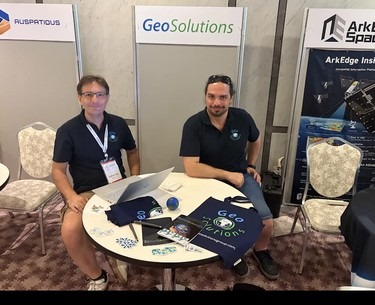
GeoSolutions: Meet GeoSolutions at Smart City Expo World Congress 2026 (Hall 2, Stand C161): open source geospatial platforms for cities
From November 3 to 5, 2026, GeoSolutions will be at Smart City Expo World Congress in Barcelona, Fira Gran Via, as part of the Italian Pavilion organised by ITA, the Italian Trade Agency. You will find Eleonora Fontana and the GeoSolutions team in Hall 2, Stand C161. If you are planning to attend and want to talk about geoportals, urban digital twins or open data infrastructure for your city, write to sales@geosolutionsgroup.com and we will book a slot at the stand.
...
GIScussions: Geocoding 1000 posts on WordPress – 50% success
After I had finished categorising all the posts on Mappery (see this post) it occurred to me that a similar strategy might be used for geocoding ungeocoded posts. If you have been following my vibe coding posts you will know that Arnaud and I built a geocoding and mapping plugin for our WordPress site that we are about to publish.
...Jackie Ng: For the price of a cup of coffee ...
Our DeepSeek credit spend has yielded thus far:
...
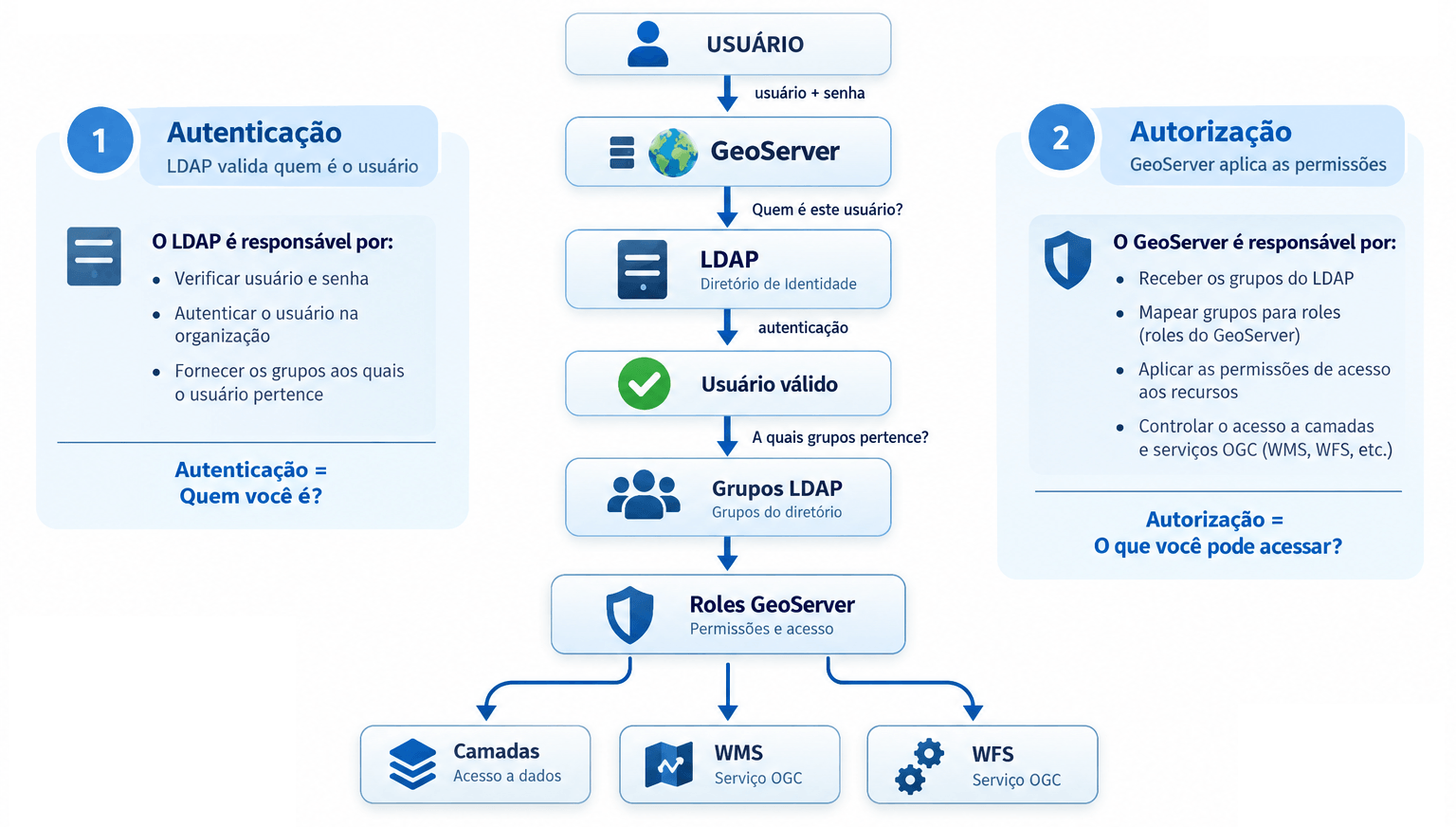
Fernando Quadro: GeoServer + LDAP: autenticação centralizada, grupos e roles na prática
Prezado leitor,
O intuito do post de hoje é que você aprenda como integrar o GeoServer a um servidor LDAP, autenticar usuários, transformar grupos LDAP em roles e preparar essas roles para utilização nas regras de segurança do GeoServer. O laboratório utiliza GeoServer 3, OpenLDAP e Docker Compose.
Em instalações simples do GeoServer é comum administrar usuários diretamente pela interface da aplicação. Esse modelo funciona bem em laboratórios, treinamentos e ambientes pequenos. Em ambientes corporativos, porém, normalmente a organização já possui uma infraestrutura centralizada de identidade. É nesse cenário que entra o LDAP (Lightweight Directory Access Protocol).
Em vez de manter usuários e senhas dentro do próprio GeoServer, podemos integrá-lo a um diretório LDAP e utilizar os usuários e grupos existentes na organização. A arquitetura passa a ser semelhante a esta:
...
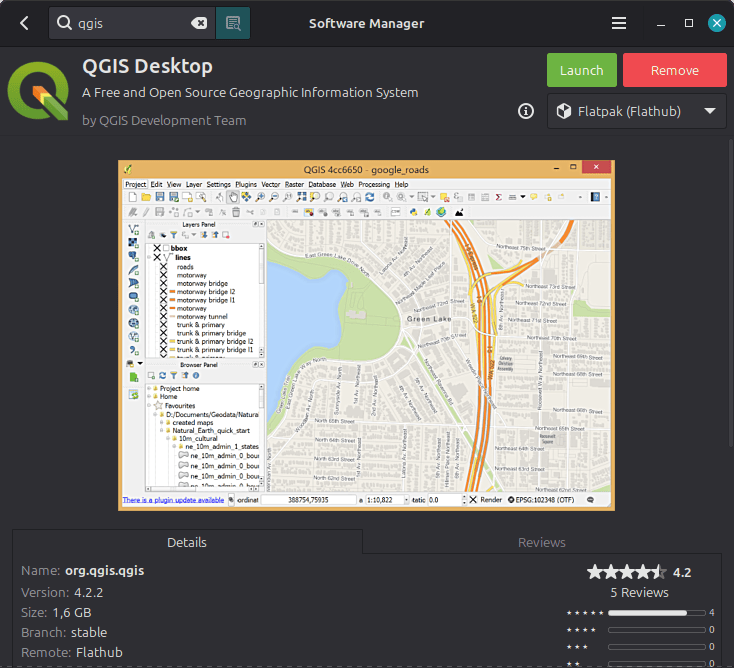
Free and Open Source GIS Ramblings: How to QGIS 4.2 on Linux Mint (Sept ’26)
For a while now, my preferred way of installing QGIS has been from conda-forge. However, while we’re waiting for QGIS 4 to become available on conda-forge, there are alternatives:
Option 1: Flatpak
In the Software Manager, you can find QGIS from Flathub in two different versions: stable and lts. And stable should give you 4.2 (even if the Software Manager preview shows an older one):
Option 2: Meet the official QGIS Docker Images
...
GIScussions: How to Categorise 2,400 WordPress Posts
On the Mappery site we have almost 2,400 posts on WordPress and we had never used the Category feature to sort them when we were adding posts. When we built the new Mappery Map Plugin for WordPress we included the option to only map posts in a specific category which we thought would be useful to some users in the future.Yesterday afternoon I wanted to see if there was a smart way to categorise 2,400 posts without stepping through each one in the WordPress edit interface which would have required time and dedication that I didn’t have!
I started out with this prompt:
...Kartoza: Publishing biodiversity data to GBIF, straight from BIMS
Biodiversity data is most valuable when it is shared. A river survey stored in a single database helps one team, but the same records, shared openly, can inform researchers, conservationists, and policymakers around the globe.
That is exactly what the Global Biodiversity Information Facility (GBIF) is for. It is the world’s largest open network of biodiversity data.
...
GIScussions: You CAN teach an old dog new tricks
Yesterday I gave a talk at Geomob London on my adventures in vibe coding. The slides are pretty but probably don’t tell the whole story unless you have been reading my regular posts on my projects.
The images in the slides are all cartoons of an old dog learning new tricks and got some praise, the way I made them was interesting, so i thought I would post about it.
I started out by building an empty slide deck on Google Slides, each slide had a title and a few had a handful of words, they all had spaces for an image. I asked Claude:
...
GIScussions: Mapping a Google Sheet – reworking the Geomob events map
When Ed challenged me to make a map of Geomob Events on a podcast, I jumped in scraped the data and produced quite a nice map despite fighting a battle with Gemini to extract the data for the map from the markdown files of the Geomob website. The problem, as Ed pointed out retrospectively was that the events map was going to be difficult to maintain as further events got scheduled, it was very much a snapshot at a point in time and my suggestion that someone could edit the json file of events was not very practical.
...Oslandia: (Fr) [Témoignage] Jérémie ORY, responsable du Pôle SIG au Département du Calvados
Sorry, this entry is only available in French.
GeoSolutions: GeoSolutions at FOSS4G 2026 in Hiroshima
Dear Reader,
We are back from FOSS4G 2026 in Hiroshima, Japan, and we want to share what we presented and what we brought home. With up to 14 parallel tracks, this year's global edition was dense: two days of workshops, three days of talks, and plenty of conversations at the booth.
GeoSolutions attended with one representative per product line: Andrea Aime for GeoServer, Lorenzo Natali for MapStore and Stefano Bovio for GeoNode. Together they delivered 5 workshops and 14 presentations, and GeoSolutions supported the event as a sponsor, continuing our long-standing commitment to the OSGeo community and to open geospatial standards.
...
Free and Open Source GIS Ramblings: MovingPandas is moving to Codeberg
I’ve been testing Codeberg for over a year now, with Trajectools being the largest repo that has already moved its headquarters from Github to Codeberg.
I have been very happy with the experience so far and – at the same time – I couldn’t help but notice the further decline of Github performance.
Therefore, in the upcoming weeks, I am planning to move the remaining MovingPandas repos. For anyone who wants to contribute, this means that:
...GeoCat: Leadership in Addressing Security Vulnerabilities
Jackie Ng: What happened to that plan?
5 months ago, I laid down the plans for what was going to happen going forward with my various open source projects. But after that post, it has been nothing but ... silence! If you were to look at my GitHub contribution graph, there was also a noticeable drop-off there too.
So what happened?
...SourcePole: FOSS4G 2026 Hiroshima
FOSS4G is the annual global event of free and open source geographic technologies and open geospatial data hosted by OSGeo. In 2026 it took place in Hiroshima, Japan.
W3C Maps for HTML Community Group: What if the Map itself became the Web? — Hyper-Layering at SotM Asia 2026
On September 7, 2026, I gave a keynote at State of the Map Asia 2026 in Osaka.
The title was:
What if the Map itself became the Web?
The talk looks back at the thirty-year journey of Hyper-Layering Architecture (HLA), from its origins in 1995 to its current implementation as Layers as Web Apps.
The central idea is simple: instead of collecting and integrating information into a central system, independent Web resources can remain independent while users compose them together as map layers in the browser.
...
Sean Gillies: Run Rabbit Run training week sixteen
Number sixteen was my peak volume week. My biggest training week in three years (not counting the Bear races of 2023 and 2025).
17 hours, 27 minutes all training
52.2 miles hiking and running
14,938 ft D+ hiking and running
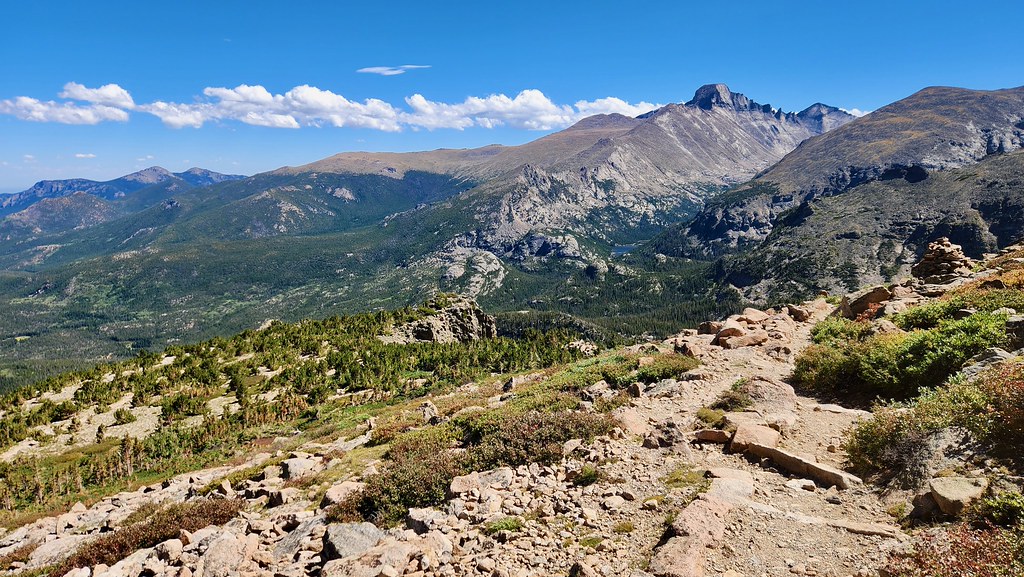
I went out on steep mountain trails five times to prepare for the big initial climb, high altitude, and big finishing descent of Run Rabbit Run (RRR). I did more power hiking than running on the climbs, and worked on descending with fast feet and momentum. I'm not planning to use poles at RRR, so I left them behind all week.
Tuesday I hiked and ran up the Round Mountain trail in the Big Thompson Canyon. 3,000 feet of climbing in less than five miles is a good simulation of the climb up Steamboat Mountain. There is some very pretty scenery on the trail, too.
...Sean Gillies: Run Rabbit Run training weeks twelve through fifteen
Weeks twelve through fifteen had a little better air quality and I increased my training volume steadily, transitioning to more uphill outings and more power hiking.
56 hours, 15 minutes all training
125.8 miles running and hiking
26,420 ft D+ running and hiking
In week fifteen, I logged 10,000 feet of elevation gain (D+) for the first time this year. And I felt good after eight consectutive days of hiking and running.
Sean Gillies: Run Rabbit Run training weeks eight through eleven
Week eight began in Glacier National Park and week eleven finished in Steamboat Springs.
51 hours, 47 minutes all training
116 miles running and hiking
16,903 ft D+ running and hiking
Hiking with my oldest kid in Glacier and Grand Teton Nation Parks was one of the highlights of this year. Arabelle has become a strong hiker (summiting nine of Colorado's fourteeners this summer) and is great company on the trail. Hiking options were limited in Glacier, which was recovering from torrential rain and washed out trails, but the Tetons were wide open to exploring. Our big hike was to trendy Delta Lake below Teton Glacier.
A sprawling four-story wooden lodge on the edge of a greenish lake with big peaks in the background. Glacier National Park, Montana, U.S.A.
...
GIScussions: Playing with Pub Names
I recently posted about the build of my “A Pint Near Me” app. When I had finished the build I asked Claude “Can you give me a few interesting stats from the pubs data?”
- The most 5 common names?
- How many single name pubs (ie not repeated)?
- Any regional patterns in naming?
- Anything else?
Pause for a minute and see if you can guess the answers, maybe have a play with the map to test your guesses before you scroll down.
AnswersThese answers were all generated by Claude based on the prompt above.
...
GIScussions: A Pint Near Me – what you do after 15 seconds of fame
A while after I blogged about my Pub Density Map it got picked up by Hacker News and the map got a big spike in views. Some of the comments were complaints that a pub was missing or that the pubs data was not searchable, some were less helpful. I had used the Open Pubs data from GetTheData, which in hindsight, was maybe not the best choice, the data was quite rough and a bit out of date but it seemed fit for my purpose of illustrating the areas of the country with highest pub density (pubs per 10k population), I had included the pub points just because I had them and that had attracted the most criticism.
...
QField: QField 4.3 “Danube”: Summer of stability
The next version of QField is here. While this time of the year is a well-deserved holiday period for many, we’ve dedicated ourselves to improving the stability and refining of your favorite field mapping tool.
We’re calling this effort the “summer of stability”, a sprint we will undertake on a yearly basis. But there are plenty of improvements to cover, so let’s go over them.
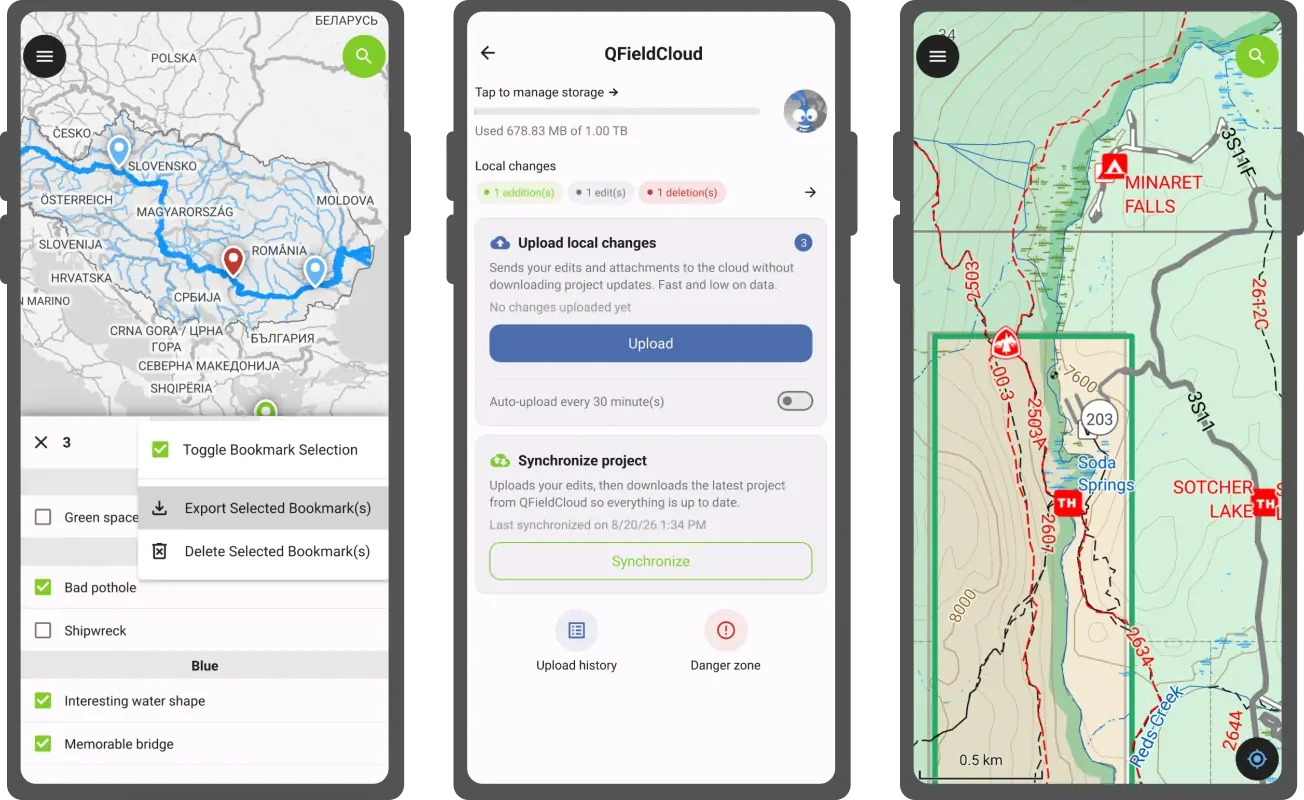
Main highlights Bookmark managerFirst, we’ve introduced a new bookmark manager to make QField’s experience around spatial bookmarking feel more complete. With the manager accessible via the dashboard’s main menu – users will be able to browse their bookmarks as a full list with the ability to quickly jump to a bookmark’s location by tapping its name, as well as edit its properties.
...PostGIS Development: PostGIS 3.7.0rc2
The PostGIS Team is pleased to release PostGIS 3.7.0rc2! Best Served with PostgreSQL 19 Beta 3 , GEOS 3.15.0 , postgis_tiger_geocoder 2025.2 , and address_standardizer.
This version requires PostgreSQL 14 - 19beta3, GEOS 3.10 or higher, Proj 6.1+, and libgmp. To take advantage of all features, GEOS 3.15+ is needed. To take advantage of all SFCGAL features SFCGAL 2.3.0+ is needed. To use postgis_raster extension GDAL 3+ is required.
...
OSGeo Announcements: [OSGeo-Announce] pgRouting version 4.0.2 released
The latest release is available at Github. For discussions on the release here. To see all issues & pull requests closed by this release see the Git closed milestone for 4.0.2 on GitHub. Summary of changes by function pgr_dijkstraVia Fix: … Continued
Est. reading time: 1 minute
Hello pgRouting community,
The pgRouting Team is pleased to announce the release of pgRouting version 4.0.2
The latest release is available at [1]. For discussions on the release, go to [2]. To see all issues & pull requests closed by this release see the Git closed milestone for 4.0.2 on Github. [3]
## Summary of changes by function
...
OSGeo Announcements: [OSGeo-Announce] Ian Turton receives the 2026 Sol Katz Award
Ian has been a member of our community from the very beginning, as an original voting member who gathered in Chicago in February 2006 to establish OSGeo. He also is a co-founder of GeoTools, the Java library that is the … Continued
Est. reading time: 2 minutes
We are honoured to announce that Ian Turton is the recipient of the
2026 Sol Katz Award (the 22nd year of the award), at the recent FOSS4G
event in Hiroshima, Japan.
Mergin Maps: [Blog] A new direct way to connect Trimble receivers
Kartoza: Under the Hood: Lightning-Fast Spatial Queries with PostGIS
While working on a recent client project involving a PostgreSQL and PostGIS database, I was working with just a few hundred spatial records. Everything ran relatively smoothly, but a slight lag during query execution got me thinking: If an unoptimised query takes noticeable time on a dataset this small, what happens when the project scales to tens of thousands or millions of features?
In spatial databases, performance problems rarely scale linearly. An unoptimised query that takes a fraction of a second on a few hundred points can easily take hours or freeze your system entirely at production scale. Imagine you eventually scale up to 5 million building footprints and 50,000 points of interest (POIs) in your PostGIS database. You want to find out which buildings contain a POI, so you write a standard spatial join:
GIScussions: Mappery Social Inbox
A lot of the posts that we share on Mappery come via our social feeds at Mastodon and Bluesky as either an @ message or a hashtag #MapsintheWild. Up till now our workflow to turn the social posts into blog posts on Mappery was something like this:
...Mergin Maps: [Blog] Take your QGIS projects to the web: Now with map themes and JS customizations
GIScussions: Amazing Animals on the IUCN Red List – a massive project that I couldn’t have considered without Claude Code
This might be a long post, it was a pretty challenging project.
I wrote last week about my Amazing Animals in Crisis map of 50 endangered species, I got some bad news on Friday that my usage of the IUCN polygon data was in breach of their licencing conditions and a request that I take the map down, which I promptly did. This was a big disappointment as I was just about to expand the map to almost 400 species and now I had no data.
Learning – even if data is apparently free and open, carefully read the license conditions before you use it. Obvious, I know, but I had to learn the hard way.
...GRASS GIS: Google Summer of Code 2026 results
PostGIS Development: PostGIS 3.7.0rc1
The PostGIS Team is pleased to release PostGIS 3.7.0rc1! Best Served with PostgreSQL 19 Beta 3 , GEOS 3.15.0rc1 , postgis_tiger_geocoder 2025.2 , and address_standardizer.
This version requires PostgreSQL 14 - 19rc1, GEOS 3.10 or higher, and Proj 6.1+. To take advantage of all features, GEOS 3.15+ is needed. To take advantage of all SFCGAL features SFCGAL 2.3.0+ is needed.
This release contains fixes since 3.7.0beta2 release.
...PostGIS Development: PostGIS Tiger Geocoder 2025.2
The PostGIS development team is pleased to provide postgis_tiger_geocoder extension. This is the very second release since the break from the PostGIS core. This version requires PostgreSQL 16 and above and should work with any supported PostGIS version.
PostGIS 3.6 series is the last series to include postgis_tiger_geocoder. PostGIS 3.7 will be shipped without postgis_tiger_geocoder.
postgis_tiger_geocoder has its own dedicated repo at OSGeo Gitea postgis_tiger_geocoder under the PostGIS org.
The versioning model is versioned based on the year of the Census US Tiger dataset that is current at time of it’s release.
Kartoza: 21 Million Pulls: The Story Behind Kartoza's Geospatial Docker Images
If you have ever spun up a PostGIS database or deployed GeoServer in a container, there is a good chance you pulled an image built by Kartoza. As of mid-2026, our geospatial Docker images have been pulled over 21 million times on Docker Hub. That number quietly astonishes even us. We are a small team based in Cape Town and Stellenbosch, yet our containers sit in CI pipelines, university labs, government servers, and humanitarian deployments on every continent.
Oslandia: QGIS User Conference 2026 – Laax
Oslandia will be attending the 2026 QGIS User Conference, which is taking place this year 5-6 October in Laax, Switzerland
Workshop QGIS Expressions: From Labels to Geometry Generators (by Benoit de Mezzo | Monday, October 5, 11:30 AM)
Deploying QGIS in large IT systems – best practices (by Vincent Picavet | Monday, October 5, 2:30 PM)
Mental health and OpenSource, tough topic for engineers (by Vincent Picavet | Monday, October 5, 4:00 PM)
From Users to Contributors: Rethinking Participation in QGIS (by Jean Felder | Monday, October 5, 4:30 PM)
The QGIS User Conference is an annual event that brings together users and developers of the QGIS open-source geographic information system (GIS). The conference offers an opportunity to discover the latest developments in QGIS, share real-world experiences, and network with the global QGIS community across administrations, industry, academia, and beyond.
...
GIScussions: Amazing Animals taken down – Claude Code is a step up!
I was requested to take down this map by the IUCN team (International Union for the Conserfvation of Nature) because my usage breached their license terms.
...TorchGeo: v0.10.0
TorchGeo 0.10 is the largest release in TorchGeo history, with a record 220 PRs from a record 29 contributors over the last 6 months. It includes full time series support, fiscal sponsorship, and security hardening, among many other exciting new features!
Highlights of this release Full time series supportThe last two years have seen a dedicated effort to add full time series support to TorchGeo. As of this release, TorchGeo contains dozens of time series benchmark datasets:
...GeoServer Team: GeoServer 2.27.6 Release
GeoServer 2.27.6 release is now available with downloads (bin, war, windows), along with docs and extensions.
This series has previously reached end-of-life, with this release issued to address an urgent bug or security vulnerability. Please apply this update as a mitigation measure only, and plan to upgrade to a stable or maintenance release of GeoServer.
...GeoServer Team: GeoServer 2.28.5 Release
GeoServer 2.28.5 release is now available with downloads (bin, war, windows), along with docs and extensions.
This is a maintenance release of GeoServer providing existing installations with minor updates and bug fixes. GeoServer 2.28.5 is made in conjunction with GeoTools 34.5, and GeoWebCache 1.28.5.
...GeoServer Team: GeoServer 3.0.1 Release
GeoServer 3.0.1 release is now available with downloads (bin, war, windows), along with docs and extensions.
This is a stable release of GeoServer recommended for production use. GeoServer 3.0.1 is made in conjunction with GeoTools 35.1, and GeoWebCache 2.0.1.
Thanks to Andrea Aime (GeoSolutions) and Jody Garnett (GeoCat) for making this release.
...Kartoza: Kartoza's QGIS Plugins: Extending QGIS for Real-World GIS Workflows
QGIS is powerful out of the box, but its real superpower is extensibility. For over a decade, Kartoza has been building, sponsoring, and maintaining QGIS plugins that solve genuine geospatial problems — from cadastral surveying in South Africa to monitoring land degradation for the United Nations Sustainable Development Goals. This post is a quick tour of the plugins we ship, where to find them, and how they fit into a modern open source GIS workflow.
GeoCat: GeoCat Find 2026.1 released
GeoCat: GeoNetwork Enterprise 2023.8 released
Sandro Santilli: Suspended from FLOSS.social for Using LLMs
My account on FLOSS.social, @strk, has been suspended. Not for writing toots with an LLM, but for writing toots about LLMs - mostly. One of the thirteen cited toots was not mine at all: it was my boost of a toot written by my AI minion. This is how it happened, and why I think the whole thing stinks.
The FreezeOn July 27, 2026 I received an email from admin@floss.social with subject “Your account @strk@floss.social has been frozen”. It said my behavior was “found to be in violation of our FLOSS.social Community Code of Conduct” and cited thirteen of my toots. All of them were about LLMs and AI coding agents. Examples:
@cm@chaos.social using LLM is too fun to stop. Scratching your own itch is just a matter of asking your computer to do it.
...
TorchGeo: v0.9.0
TorchGeo 0.9 includes 13 new datasets and a number of improvements required for better time series support, encompassing 3 months of hard work by 15 contributors from around the world. We are now trying to make more frequent releases to get exciting new features out to users as quickly as possible!
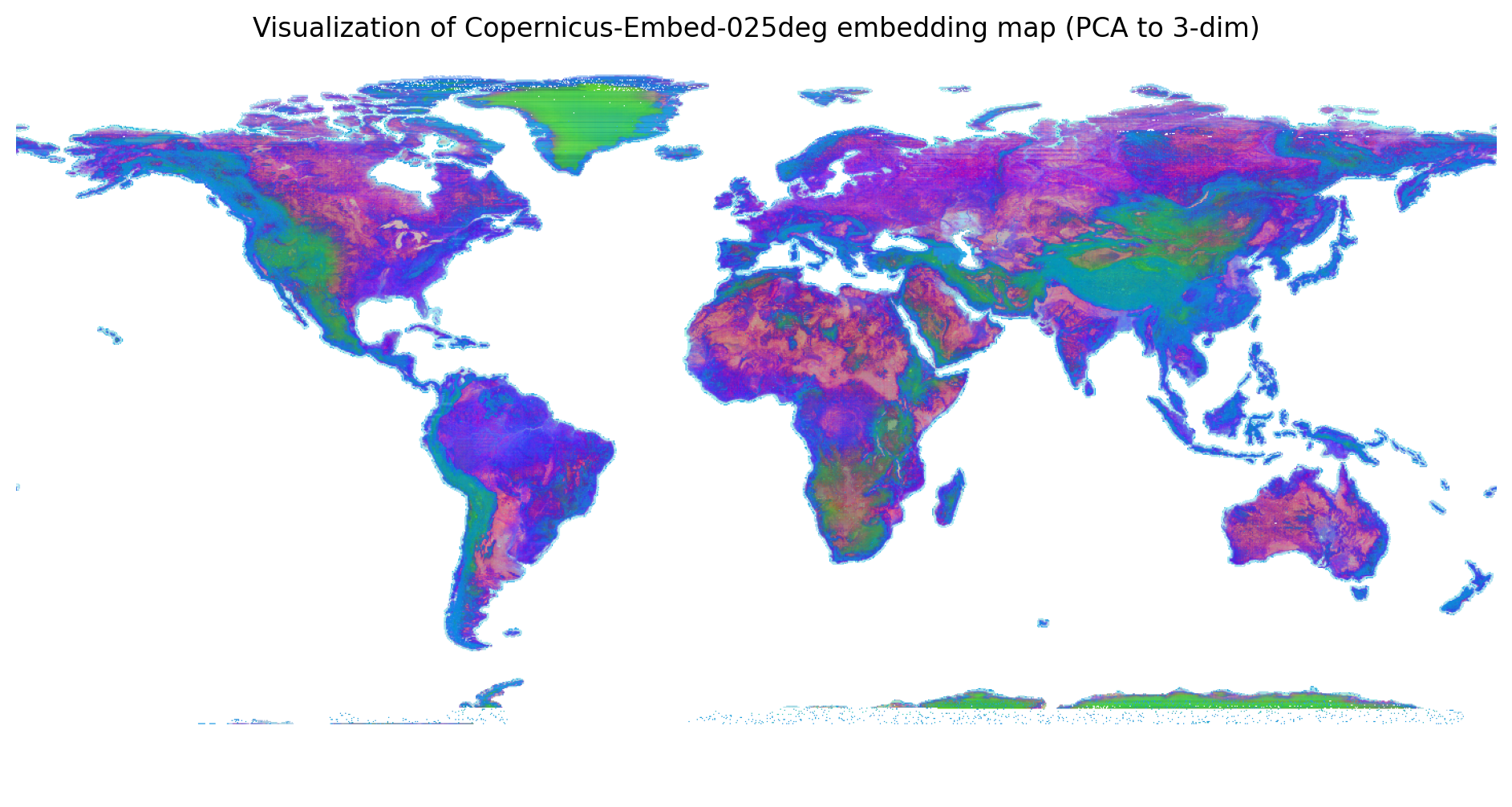
Highlights of this release Embeddings datasetsTorchGeo was the first library to provide pre-trained geospatial foundation models, and offers more GeoFMs than all other GeoML libraries combined [1]. Users have always had the ability to generate their own embeddings using TorchGeo. However, using FMs requires considerable expertise and compute, preventing widespread adoption.
...PostGIS Development: PostGIS 3.7.0beta2
The PostGIS Team is pleased to release PostGIS 3.7.0beta2! Best Served with PostgreSQL 19 Beta2 and GEOS 3.15.0beta2.
This version requires PostgreSQL 14 - 19beta2, GEOS 3.10 or higher, and Proj 6.1+. To take advantage of all features, GEOS 3.15+ is needed. To take advantage of all SFCGAL features SFCGAL 2.3.0+ is needed.
This release contains fixes and enhancements since 3.7.0beta1 release.
...
QField: Faster Project Creation: Introducing Cloning and XLSForm Imports in QFieldCloud
We’ve overhauled the project creation flow in QFieldCloud to make getting your field data campaigns off the ground faster than ever. Along with a clean new web interface, we are introducing two highly requested features to boost your team’s productivity: more advanced project creation, with native XLSForm imports and 1-click project cloning! 🚀
Revamped basic project creationWhen creating a new project, you can now define the initial extent field right away. You can also configure a basemap using OSM or a custom XYZ layer. What is more, you can set whether you prefer to keep the original color, or convert the basemap into dark or light themes.
XLSForm imports: a new path of survey creationWe are also thrilled to introduce a completely new way to generate projects: XLSForm support.
...
GIScussions: Mapping Maps in the Wild – a complex collaborative project
Mappery has been my side project for 8 years, for the last 5 or 6 years Arnaud Ferrand has been my co-editor and the tech brain that keeps the site running. Mappery is a large WordPress site with 2,500 posts and 3,500 images of Maps in the Wild (pictures of maps in the street, on clothes, furniture, alcohol etc).
For several years we had a map plugin that allowed us to enter a coordinate pair for a post and to render a clustered map with pins representing each post, click on a pin and the post image and some text appears in the popup with a link to the post. It worked ok but the map used the Google Maps API which had cost implications and we also had several complications with the map not rendering and the plugin wasn’t being maintained.
...
Free and Open Source GIS Ramblings: MovingPandas 0.23 released!
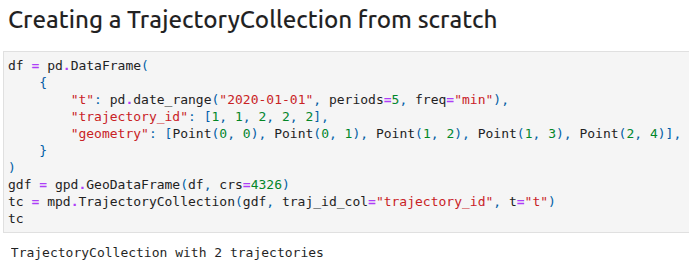
The new MovingPandas release 0.23 has just landed in pypi and conda-forge and I want to share with you two highlights:
New HTML representationsThe new HTML representations for Trajectory & TrajectoryCollection objects aim to make interactive data exploration in notebooks more convenient by providing commonly required descriptive data summaries and data previews in a structured way.
Before 0.23
New in 0.23
...
Ecodiv.earth: m.printmap, a new addon to create maps in GRASS
For reports, presentations, and websites, I regularly need maps: a raster layer, contextual boundaries, a legend, and maybe a logo. Nothing requiring an elaborate page layout. And I often need more than one. For the COMBINED project, for example, I map the same study area in Rotterdam over and over. The extent, the boundaries, and the logo stay put; only the raster and its legend change. Exactly the kind of repetition worth automating.
...
Fernando Quadro: Curso de Geotecnologia com Inteligência Artificial
A Inteligência Artificial já está transformando a maneira como profissionais GIS analisam dados, automatizam processos e desenvolvem soluções geoespaciais.
Neste curso, você aprenderá a aplicar IA generativa, agentes inteligentes e automação em ferramentas como QGIS, PostGIS, GeoServer e GeoNode, por meio de cases, exercícios práticos e problemas inspirados em projetos reais.
Você verá como utilizar IA para gerar e revisar consultas SQL espaciais, detectar inconsistências, corrigir geometrias, automatizar publicações no GeoServer, criar estilos SLD, produzir metadados, analisar dados no QGIS e desenvolver fluxos geoespaciais mais inteligentes.
...
OSGeo Announcements: [OSGeo-Announce] OSGeo joins new GeoCommons Fund to strengthen geospatial community
https://www.osgeo.org/foundation-news/osgeo-joins-new-geocommons-fund/
OSGeo joins new GeoCommons Fund to strengthen geospatial community!Largest European investment to date into open geo tooling
The European Commission is making a strategic investment of 6 million Euro into an ambitious new programme to support free and open source software in the geospatial domain.
The new GeoCommons programme will be handing out grants directly to researchers and developers working on geospatial commons.
...Lutra consulting: Reflecting on FOSS4G Europe in Timisoara
Mergin Maps: [Blog] Connect external GPS receivers via network (TCP/UDP)
Mergin Maps: [Blog] Connect external GNSS receivers via network (TCP/UDP)
Mergin Maps: [Blog] A new direct way to connect external GNSS receivers with network position provider
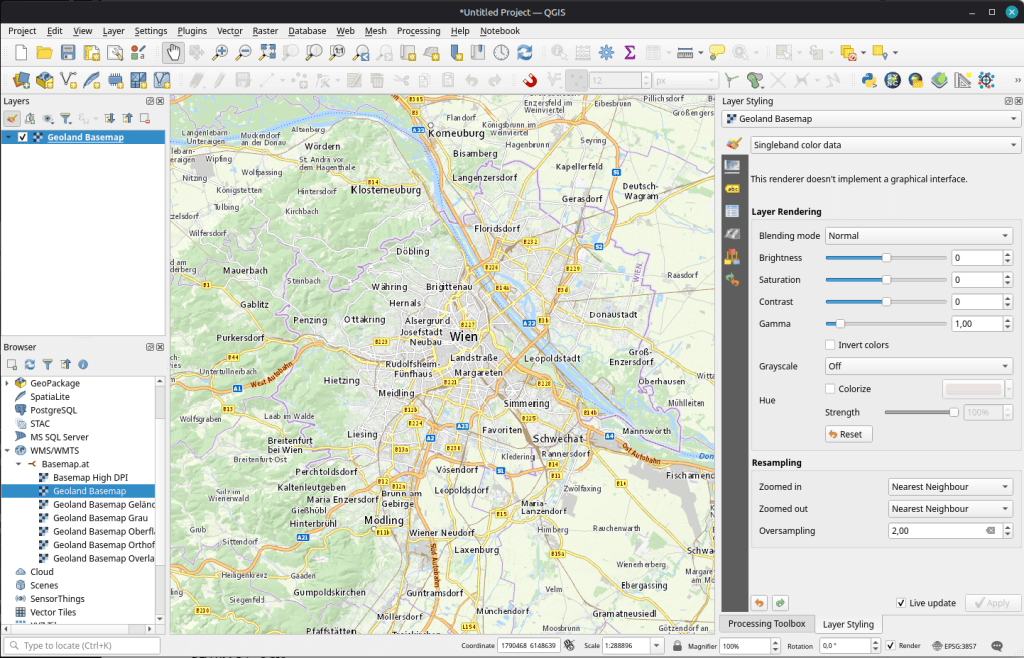
Free and Open Source GIS Ramblings: New Open Basemaps for Austria
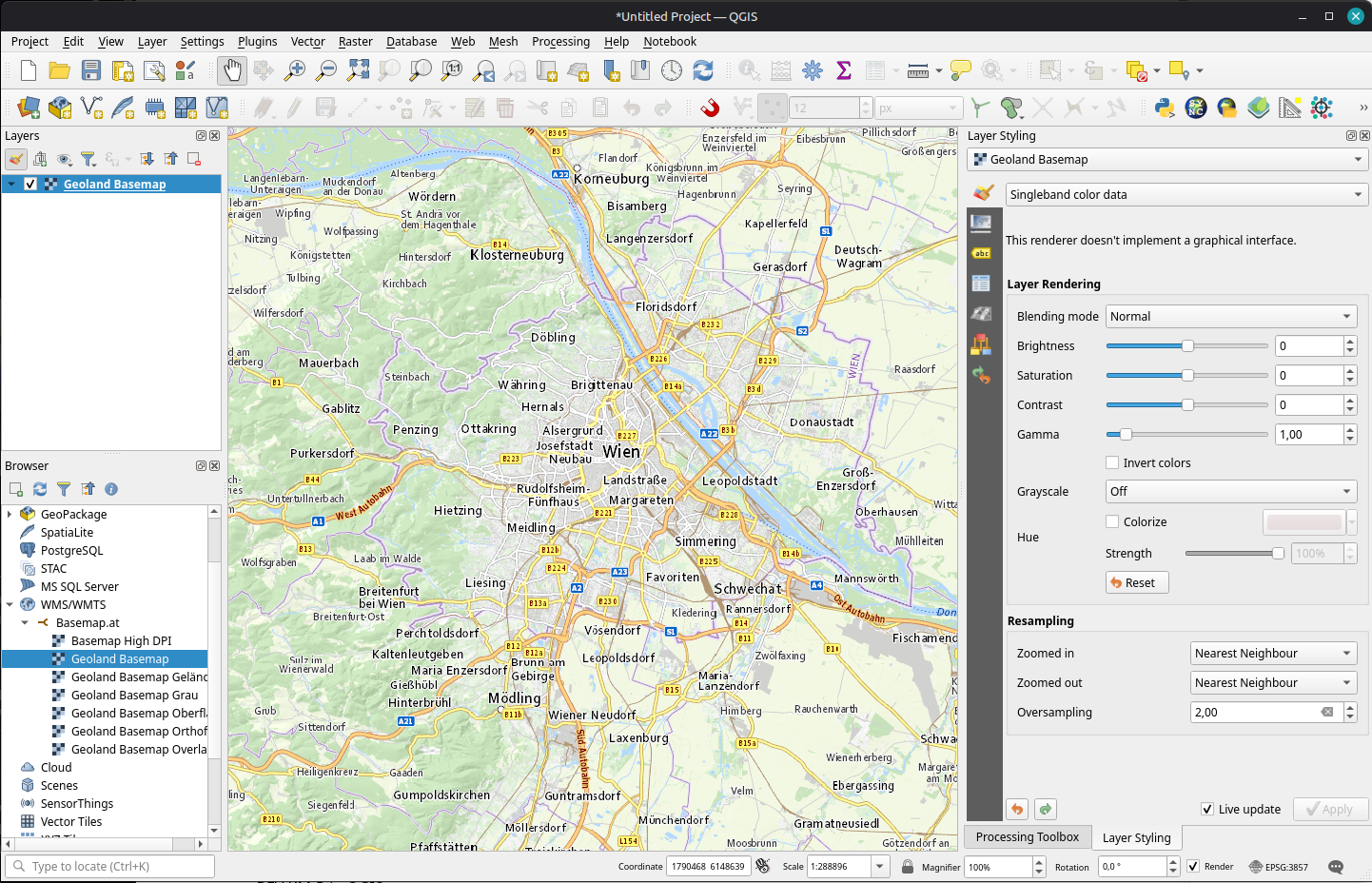
For many years now, we have been enjoying the basemap.at service with it’s various basemap options (color, gray, with/without labels, …) in WMTS and vector tiles.
Basemap.at Standard WMTS in QGIS (instructions here)For a few weeks now, there is an additional service by BEV: Their cartographic models “Kartographischen Modelle (KM)” are now available as raster (KM-R) in COG-TIFF format.
...Lutra consulting: QGIS 3D enhancements: crowdfunding results (part 3)
OSGeo Announcements: [OSGeo-Announce] OSGeo establishes a European legal foundation
Wageningen, The Netherlands, 21 July 2026.
The Open Source Geospatial Foundation (OSGeo) has established a legal foundation in Europe. The founding documents were signed yesterday. The new entity, Stichting Open Source Geospatial, has its statutory seat in Wageningen and operates under the OSGeo name and mission. It gives the foundation a legal presence in the European Union alongside its existing entity in the United States.
The step fits a wider move toward digital sovereignty. Governments and organisations across Europe want control over the software and data they depend on, and open-source geospatial technology gives them that control. A European foundation lets OSGeo take part in that shift as a recognised local partner, and gives the people and companies who build OSGeo projects a stronger voice in it, along with better business opportunities that follow from working close to European institutions and funding.
...Kartoza: GeoAI: Building Smarter Spatial Decision-Making Systems
It is 2:07 AM, heavy rain is pounding the city, and emergency teams need to know one thing fast: Which neighbourhoods will flood first?
This is where GeoAI shines.
GeoAI (Geospatial Artificial Intelligence) is the combination of AI and geospatial science to understand patterns in data tied to place and time. In simple terms, GeoAI does not just answer what might happen, it answers what, where, and when.
PostGIS Development: PostGIS 3.7.0beta1
The PostGIS Team is pleased to release PostGIS 3.7.0beta1! Best Served with PostgreSQL 19 Beta2 and GEOS 3.15.0beta2.
This version requires PostgreSQL 14 - 19beta2, GEOS 3.10 or higher, and Proj 6.1+. To take advantage of all features, GEOS 3.15+ is needed. To take advantage of all SFCGAL features SFCGAL 2.3.0+ is needed.
This release contains fixes and enhancements since 3.7.0alpha1 release.
...GRASS GIS: GRASS Community Meeting 2026 Report
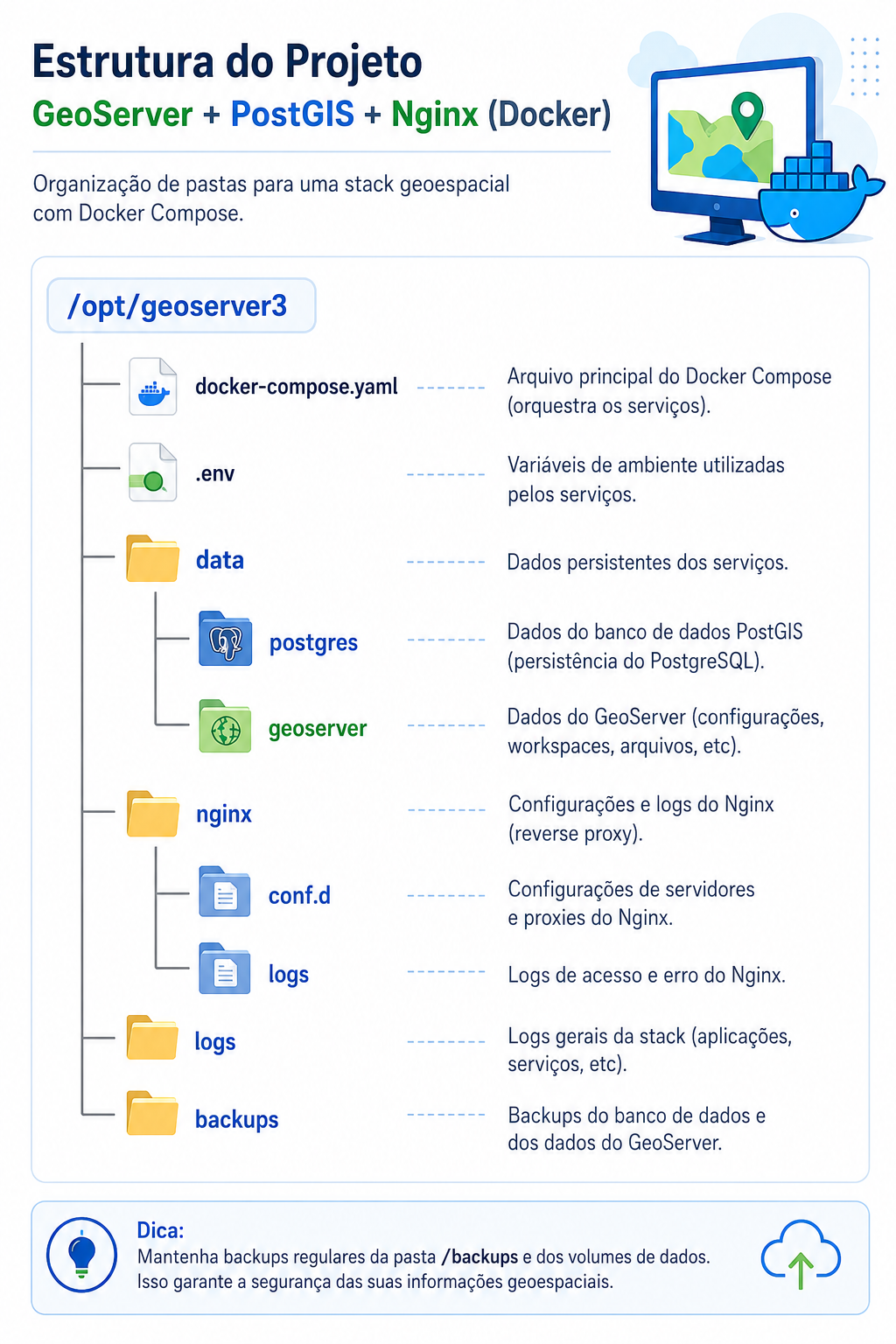
Fernando Quadro: Instalação do GeoServer 3 com PostgreSQL/PostGIS utilizando Docker
Prezado leitor,
Neste post irei apresentar como instalar o GeoServer 3 juntamente com o PostgreSQL 18/PostGIS utilizando Docker em um servidor executando Ubuntu Linux 26.04.
Ao final deste tutorial você terá um ambiente pronto para desenvolvimento, testes ou treinamentos, contendo:
- PostgreSQL 18 + PostGIS 3.6
- GeoServer 3.0.0
- Nginx como proxy reverso
- Estrutura organizada para persistência dos dados
- Instalação totalmente baseada em containers Docker
Pré-requisitos:
- Ubuntu 26.04
- Acesso sudo
- Conexão com Internet
- Pelo menos 4 GB RAM (8 GB recomendado)
Sem enrolação, vamos aos passos:
1. Atualizar o Ubuntu
Antes de instalar qualquer software é recomendável atualizar os repositórios e aplicar as últimas atualizações do sistema operacional.
...
Kartoza: How to Use Custom Icons in Maputnik (Sprite Sheet Guide)
If you have ever tried styling a vector map in Maputnik, you have probably hit this wall: you have a folder full of perfectly designed SVG icons, but there is no simple “Upload SVG” button for your symbol layers.
Unlike desktop GIS software, web mapping specifications (like MapLibre and Mapbox GL) are optimised for rendering speed. Loading hundreds of individual SVG files requires too many HTTP requests and bogs down performance. Instead, the style specification requires a sprite sheet : a single raster image (PNG) containing all your icons, paired with an index file (JSON) that tells the map exactly where each icon sits on that image.
Mergin Maps: [Case Study] Mapping 8,000 km of Tuscan waterways: How GAIA digitised its water network
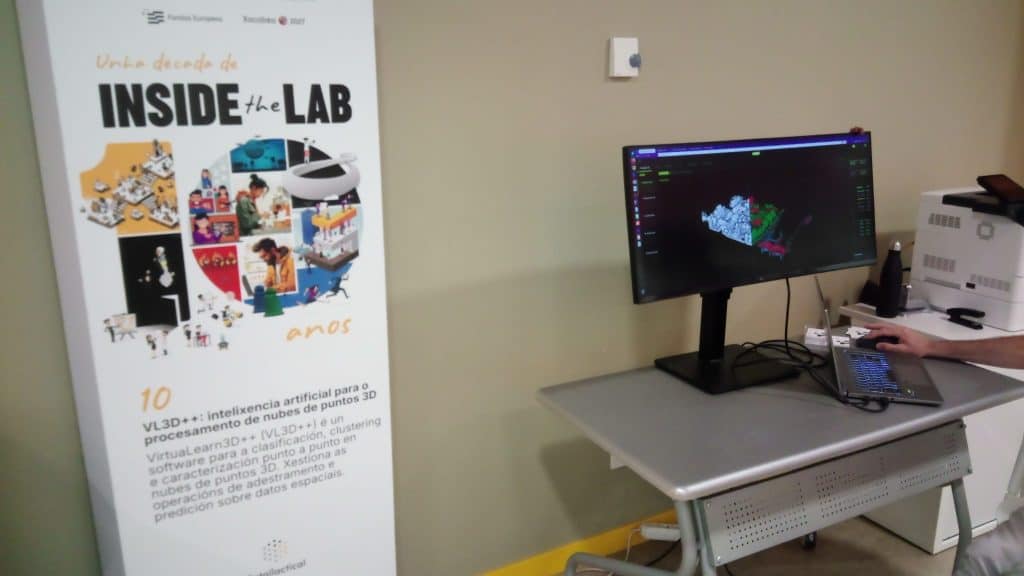
geomatico: Inside the Lab: 10 años celebrando la ciencia y la tecnología en el CITIUS
El Inside the Lab CITIUS ha cumplido 10 años y hemos vuelto a asistir para vivirlo de cerca. El Centro Singular de Investigación en Tecnoloxias Intelixentes (CITIUS) es un centro tecnológico de la USC (Universidad de Santiago de Compostela), ha celebrado una nueva edición de su jornada de puertas abiertas para enseñar los demostradores de los proyectos que desarrollan en sus instalaciones. Es un día para, directamente, venirse arriba con la ciencia que se hace aquí al lado.
Este año la cita era todavía más especial por alcanzar esa cifra redonda de una década de divulgación y tecnología.
...
gvSIG Team: Curso de manejo básico de la Suite gvSIG (Desktop, Online y Mapps) aplicado a la gestión municipal: Vídeo 9 – Introducción a gvSIG Mapps
Tras recorrer gvSIG Desktop en los siete primeros vídeos del curso y desplegar el geoportal en gvSIG Online en el vídeo 8, llega el turno de gvSIG Mapps, la pieza móvil de la Suite. Es la aplicación pensada para llevar el geoportal al terreno: el técnico municipal sale a campo con tableta o móvil, consulta las mismas capas publicadas en Online y, si tiene permisos, edita los datos desde la propia posición sin pasos intermedios de vuelta al servidor.
...Lutra consulting: Spotkanie Użytkowników Polska 2026: An Incredible Gathering for the GIS Community
Lutra consulting: Spotkanie Użytkowników Polska 2026: An Incredible Gathering for the GIS Community
gvSIG Team: Curso de manejo básico de la Suite gvSIG (Desktop, Online y Mapps) aplicado a la gestión municipal: Vídeo 8 – Introducción a gvSIG Online: del proyecto local al geoportal municipal
Con el vídeo anterior cerramos el bloque dedicado a gvSIG Desktop. En este octavo damos el salto a la segunda pieza de la Suite: gvSIG Online, la plataforma web sobre la que se montan los geoportales municipales. Donde en Desktop el proyecto se quedaba en el equipo y la salida final era estática (un PDF, un plano impreso), con Online ese mismo trabajo se publica en internet y queda disponible para que cualquier técnico o ciudadano lo consulte desde el navegador.
...
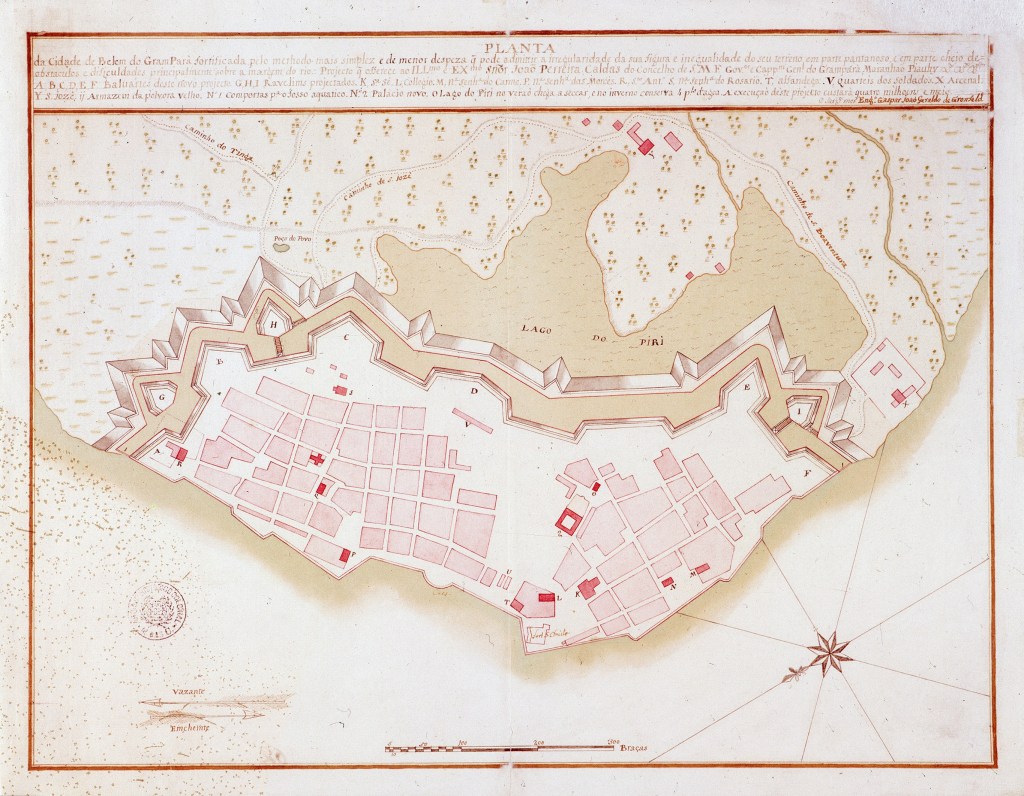
Free and Open Source GIS Ramblings: Belém, Salzburg, and onwards
It’s been a couple of busy weeks, with the QGIS 4.2 release and meetings and conferences all over the place before a few, hopefully quieter, weeks of summer break.
QGISThe Austrian QGIS user group met online on 25 June to exchange experiences with different webmapping solutions, ranging from QGIS+Lizmap to QGIS Cloud.
...
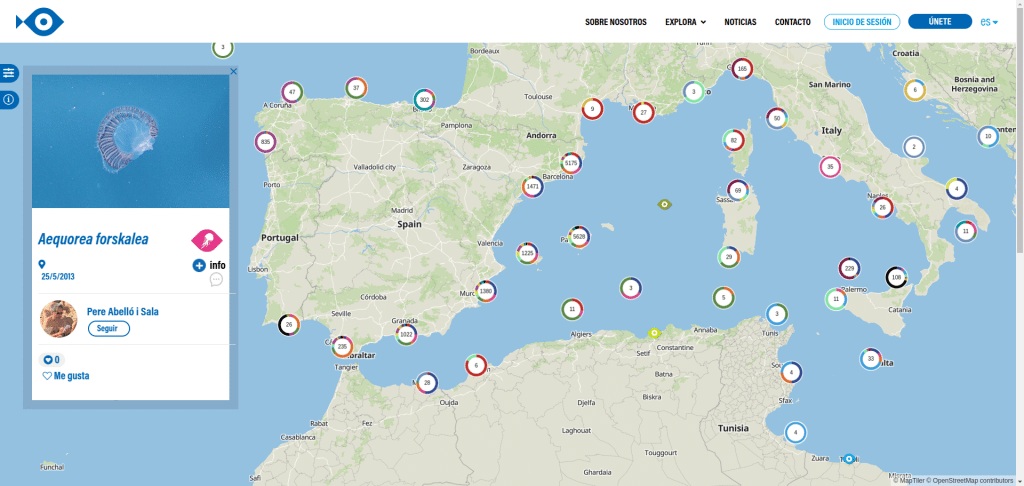
geomatico: Estandarizando la biodiversidad marina con el ICM
Para organizaciones científicas como el Instituto de Ciencias del Mar (ICM), la alineación con los estándares internacionales no es solo una cuestión técnica, sino una necesidad estratégica para que sus investigaciones tengan un impacto real.
El uso de estándares permite que los datos dejen de ser archivos estáticos y aislados para convertirse en «datos vivos», capaces de integrarse en redes globales y ser utilizados por la comunidad científica internacional. Los principales marcos utilizados en este proyecto son:
...
gvSIG Team: Curso de manejo básico de la Suite gvSIG (Desktop, Online y Mapps) aplicado a la gestión municipal: Vídeo 7 – Composición de un Mapa con gvSIG Desktop
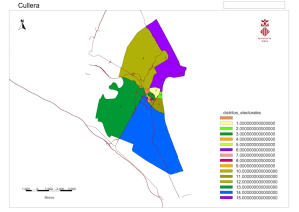
Hasta ahora hemos trabajado dentro del documento Vista: cargar capas, simbolizarlas, consultarlas, editarlas. En este séptimo vídeo damos el paso al documento Mapa, que es el componedor cartográfico de gvSIG Desktop, donde montamos una salida lista para imprimir o exportar a PDF, con su rótulo, su leyenda, su escala, su norte y su logotipo institucional.
Partimos del proyecto electoral que ya usamos en los vídeos 3 y 5 (mesas electorales, ejes de carreteras y distritos electorales). Antes de pasar al Mapa, dejamos la Vista preparada como queremos que aparezca impresa: aplicamos una simbología por valores únicos sobre los distritos y configuramos un etiquetado por el campo districte, ajustando fuente, tamaño y color.
...
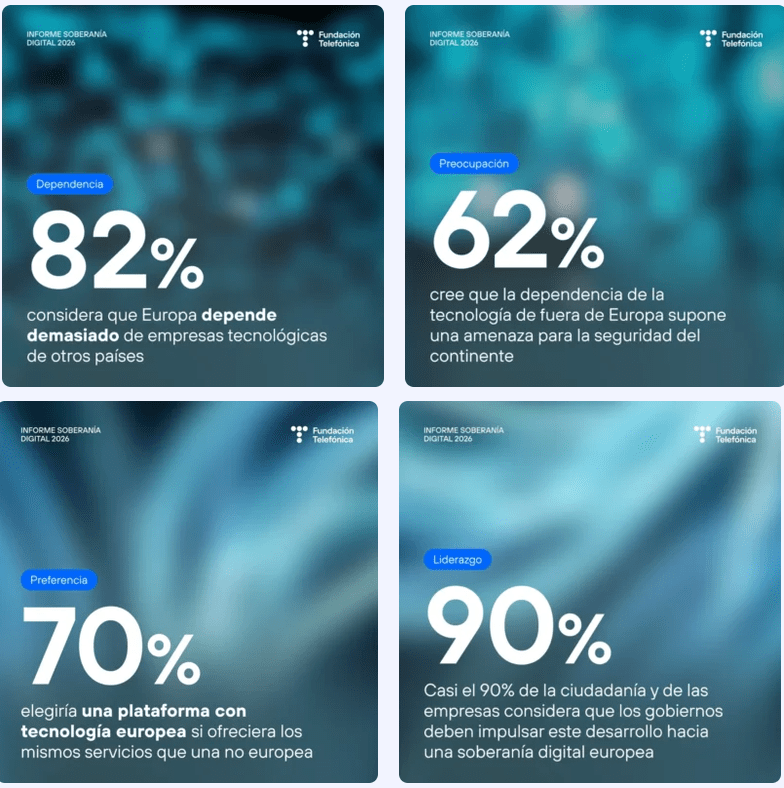
gvSIG Team: Europa necesita tecnología propia: también lo pide la ciudadanía
La soberanía digital europea se ha convertido en una de las grandes cuestiones estratégicas de nuestro tiempo. Ya no se trata únicamente de disponer de tecnología, sino de decidir qué tecnología usamos, bajo qué condiciones, con qué garantías y con qué capacidad real de control sobre nuestros datos, infraestructuras y servicios críticos.
...Kartoza: Unlocking the World in Your Classroom: Namibia & eSwatini Topo Sheets, New Thematic Projects, and Dynamic Indexes
If you teach Geography, or Social Sciences in Grades 8 and 9, in Southern Africa, you know the struggle of finding high-quality, relevant, and curriculum-aligned maps for your classroom. The days of fighting with a temperamental photocopier over a faded, ten-year-old map sheet are officially behind us.
Thanks to the ongoing partnership between SAGTA and Kartoza, the SAGTA Map Downloader has levelled up. We are constantly looking for ways to make this a more robust tool for educators. Geography doesn’t stop at the border, and neither should our classroom resources.
GeoSolutions: GeoSolutions at FOSS4G Europe 2026
You must be logged into the site to view this content.
GeoCat: An amazing FOSS4G Europe 2026
GeoCat: The INSPIRE Geoportal is gone. Here's what we built instead.
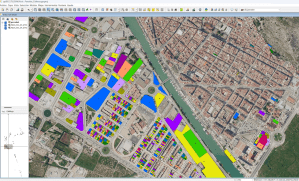
gvSIG Team: Curso de manejo básico de la Suite gvSIG (Desktop, Online y Mapps) aplicado a la gestión municipal: Vídeo 6 – Crear y editar capas vectoriales en gvSIG Desktop
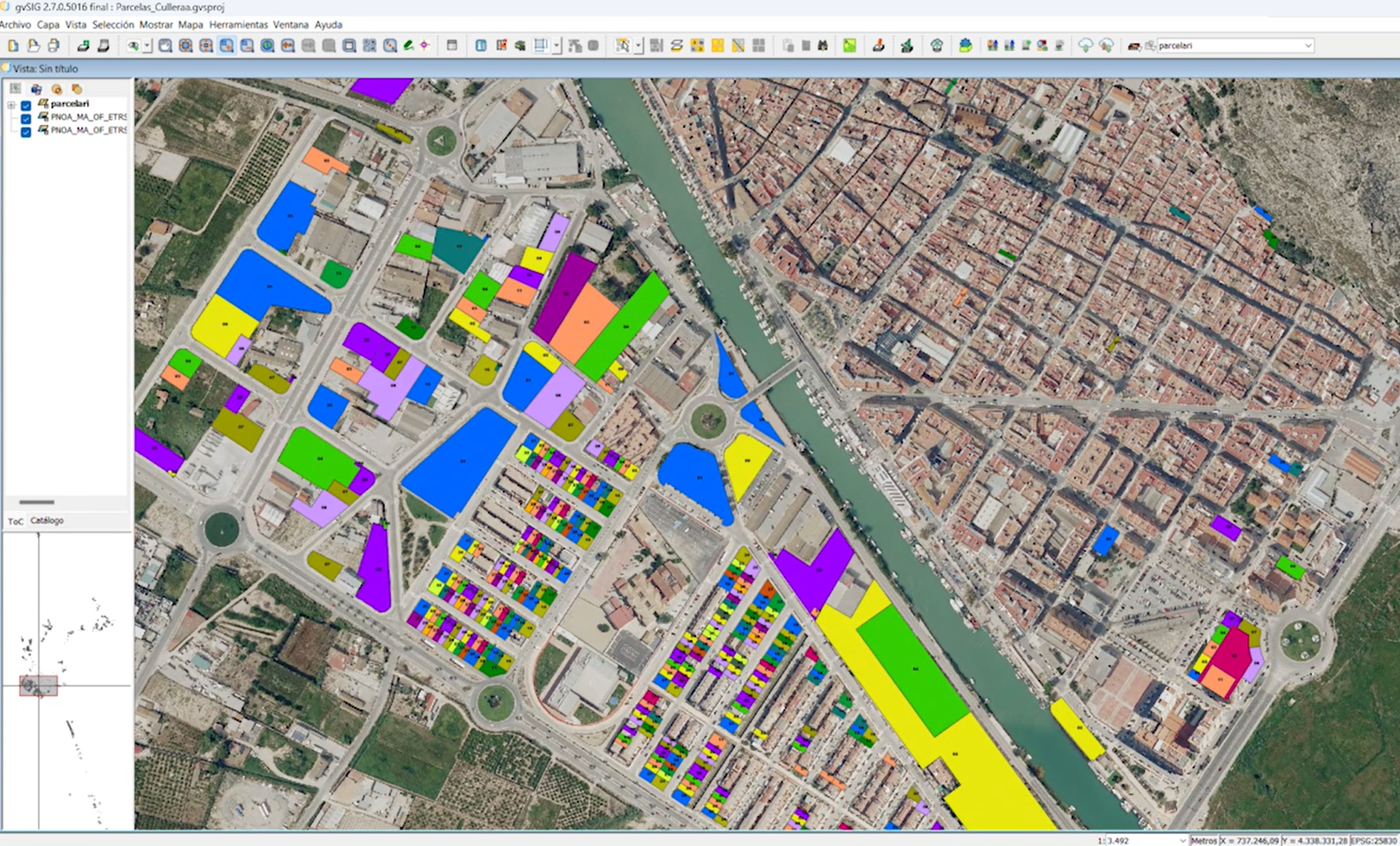
Hasta ahora hemos cargado capas que ya existían (locales o publicadas como servicio). En este sexto vídeo damos el paso de crear y editar nuestra propia cartografía dentro de gvSIG Desktop, recorriendo los tres tipos básicos de geometría: puntos, líneas y polígonos. Es el flujo más habitual cuando un ayuntamiento necesita crear información propia o completar la que ya tiene.
Partimos del WMTS de imágenes Sentinel y ortofotos PNOA del IGN (el mismo que usamos en el vídeo 4), hacemos zoom sobre Cullera y añadimos también el shapefile ‘camins_cullera’ como capa de apoyo, repasando de paso cómo personalizar su simbología.
...SourcePole: FOSS4G Europe 2026 in Timișoara
Sourcepole attended FOSS4G Europe 2026 in Timișoara and contributed to the programme with presentations on SensorThings and QGIS Web Client.
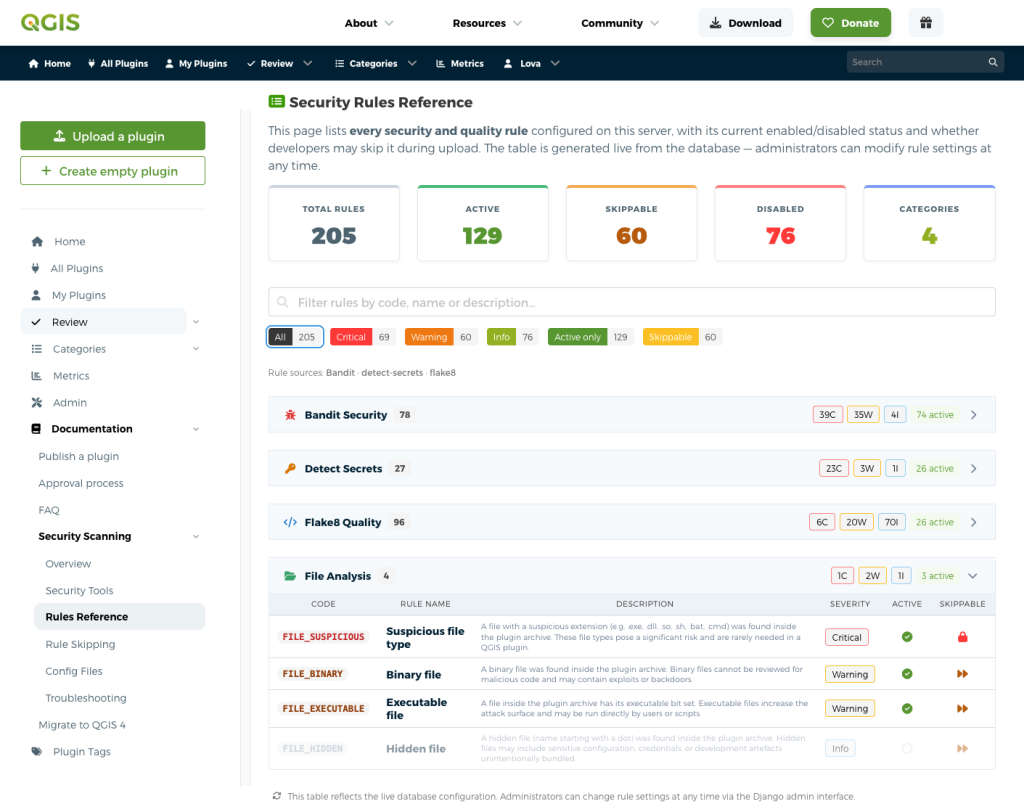
QGIS Blog: Coming soon: QGIS Plugins Website v4.0.0
We are preparing version v4.0.0 of the QGIS Plugins Website (https://plugins.qgis.org), a planned milestone release scheduled for 13 July 2026. Below is a summary of what is coming and how it may affect plugin developers, so you can review ahead of time.
HighlightsThis will be our first major release that adopts a proper announcement and release schedule. It will include major improvements and changes related to the security checks and plugins auto-approval; and a new feature for Qt6 compatibility check which was funded by Oslandia (oslandia.com) and developed by @florentfougeres.
...
GIScussions: Backdating the Defence Map to the End of the Cold War – Claude Understands UI Better Than Me
After I published my map of defence spending a friend suggested that it would be interesting to see how things had changed since the end of the Cold War in 1990/91.
I knew that the data I had covered a longer time period so I asked Claude if we could update the map and it checked the data and confirmed that there was reasonable data coverage back to the mid 70’s so I decided to backdate (or is it update?) the map to run from 1975 to 2024.
What’s newThe extended map now runs from 1975 to 2024, covering periods that include the final years of the Cold War, the collapse of the Soviet Union, the post-9/11 surge in Western defence spending, and the sharp remilitarisation following Russia’s invasion of Ukraine.
...PostGIS Development: PostGIS 3.7.0alpha1
The PostGIS Team is pleased to release PostGIS 3.7.0alpha1! Best Served with PostgreSQL 19 Beta1 and GEOS 3.15 which will be released soon.
This version requires PostgreSQL 14 - 19beta1, GEOS 3.10 or higher, and Proj 6.1+. To take advantage of all features, GEOS 3.15+ is needed. To take advantage of all SFCGAL features SFCGAL 2.3.0+ is needed.
...
Sean Gillies: Run Rabbit Run training weeks two through seven
The first half of summer has flown by. I'm quickly catching up on six busy weeks here.
53 hours, 52 minutes all training
130.1 miles running and hiking
16,220 feet D+ running and hiking
That's about 9 hours of exercise, 22 miles of running and hiking, and 2,700 feet D+ per week. I've been active enough to maintain my base fitness, but haven't done much building. Travel and vacation have kept me from sticking to a regular workout schedule.
In week two, I participated in Laramie's Pilot Hill Classic 25K race for the first time. I experienced cramps again, but not as bad as at Quad Rock. I tripped a few times on the way down, and once did a full Superman dive, head-first, onto a smooth (luckily) stretch of trail. I had some calf cramps and a bloody elbow after that, but the cramps cleared up before the finish.
Green plains and hills under a partly cloudy sky at dawn.
...
GIScussions: Who Spends the Most on Defence and Who’s Selling the Weapons?
With Keir Starmer recently losing a Defence Secretary and then leaving a budgetary timebomb for his successor as PM, Andy Burnham, I thought it might be interesting to see how we rank on defence spending and who are the world’s largest exporters and importers of arms.
I started out by trying to find some data on arm sales and Claude sent me to SIPRI where you can download very granular data on almost every transaction but after playing with the data I decided to take a simpler approach and map expenditure as a % of GDP (which is what Trump and the NATO powers have been arguing about) and exports and imports of major arms.
...
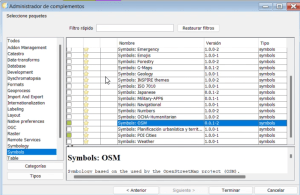
gvSIG Team: Curso de manejo básico de la Suite gvSIG (Desktop, Online y Mapps) aplicado a la gestión municipal: Vídeo 5 – El Administrador de complementos
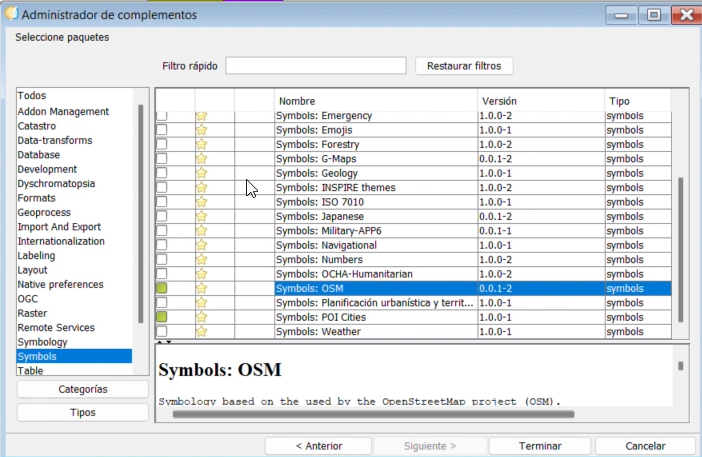
Después de ver cómo conectar servicios remotos, en este quinto vídeo entramos en el Administrador de complementos, la herramienta que permite ampliar la suite con paquetes adicionales: nuevos formatos de datos, librerías de símbolos, geoprocesos, conectores a servicios remotos, etc.
...Oslandia: Swiss QGIS User Group Meeting – 2026
At the Swiss QGIS User Group Meeting, Oslandia was pleased to present the latest updates to QGIS.
Watch the video recap with Julien Cabieces, Jean Felder, Benoit De Mezzo, and Loïc Bartoletti :
- NURBS integration
- What’s new in SFCGAL
- Creating a 3D style from a 2D style
- New interface customization features
gvSIG Team: Curso de manejo básico de la Suite gvSIG (Desktop, Online y Mapps) aplicado a la gestión municipal: Vídeo 4 – Cargar servicios WMS y WMTS en gvSIG Desktop
En los vídeos anteriores trabajamos con datos en local (shapefiles, ortofotos descargadas). En este cuarto vídeo nos conectamos a servicios cartográficos publicados en internet por organismos oficiales, sin necesidad de descargar nada: los estándares OGC WMS y WMTS. Para un ayuntamiento esto se traduce en poder usar como fondo o como capa de consulta la cartografía del PNOA, del Catastro o del IGN, siempre actualizada y mantenida por su productor.
...
QGIS España: QGISes Camp 2026 Un día para compartir QGIS"
Nuestra QGISesCamp2026 se ha celebrado felizmente en Madrid el pasado sábado 13 de junio de 2026. El evento, con su carácter presencial como espacio de encuentro, intercambio de conocimiento, experiencias y proyectos ha conseguido una vez más el fortalecimiento de la comunidad QGIS en España. Este año ha contado con la participación de más de sesenta personas (un 28% de mujeres): cincuenta y ocho provenientes de diversos lugares como Salamanca, Granada, Córdoba, Santander, Barcelona, Murcia, Valencia, Málaga o Pamplona, además de Madrid, y tres personas asistiendo de manera remota.
...
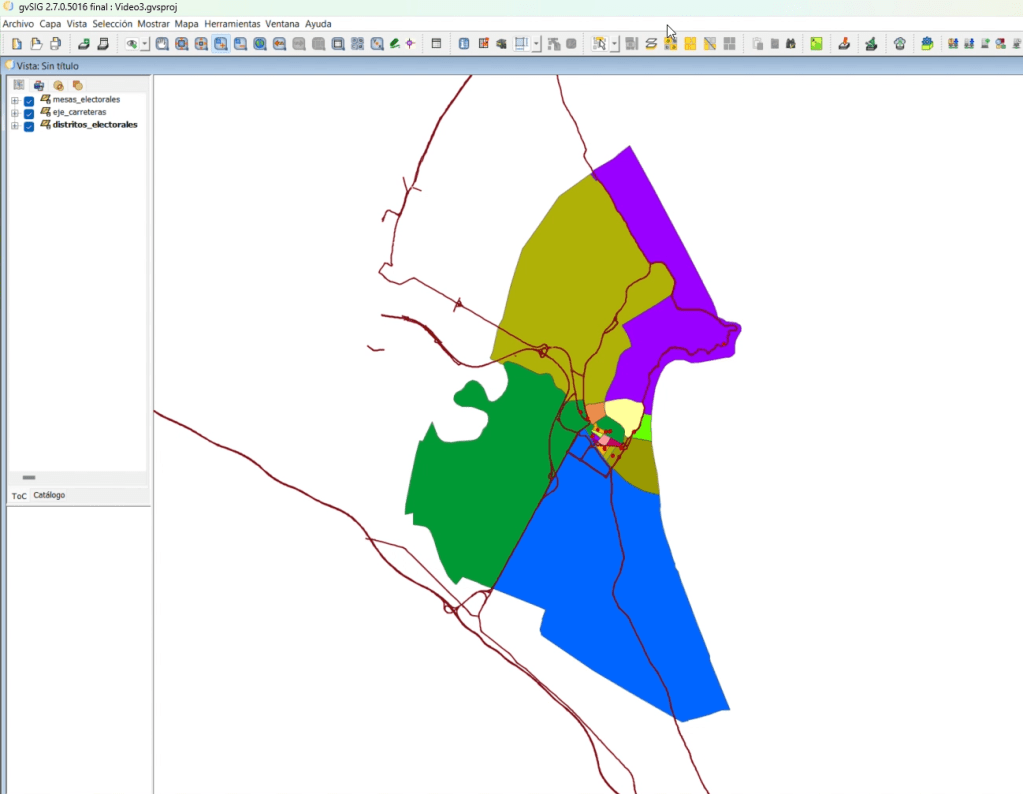
gvSIG Team: Curso de manejo básico de la Suite gvSIG (Desktop, Online y Mapps) aplicado a la gestión municipal: Vídeo 3 – Tablas de atributos y selecciones en gvSIG Desktop
En el vídeo anterior cargamos capas y trabajamos su representación visual. En este tercero vamos a lo que hay “detrás” de la geometría: la tabla de atributos. Cualquier capa en un SIG lleva asociada una tabla con los datos descriptivos de cada elemento, y aprender a moverse con soltura entre mapa y tabla es uno de los hábitos más útiles del trabajo diario.
Partimos de un proyecto con tres capas centradas en un caso muy habitual en la gestión municipal, la organización electoral: mesas electorales (puntos), ejes de carreteras (líneas) y distritos electorales (polígonos). De paso nos sirve para repasar los tres tipos de geometría con los que vamos a trabajar a lo largo del curso. Sobre los distritos aplicamos una simbología por valores únicos, esta vez clasificando por un campo de la propia tabla.
...
Nick Bearman: Introducing: gitRmap / “Guitar Map”
I’d like to introduce gitRmap: a semi-automated map of locations that you can add your own points to. It’s designed for people who are new to GIS, but who know a little bit of Git.
You can create a map like the one below, with your own pins on it, just by following the quick start at nickbearman.com/gitRmap.
If you get stuck, I want to know! Message me, email me or open an issue on GitHub.
What is gitRmap?I wanted to create a tool that made it easier for more people to make maps. There are plenty of tools out there for creating a web map, but for someone new to GIS they can be pretty intimidating.
...
gvSIG Team: Curso de manejo básico de la Suite gvSIG (Desktop, Online y Mapps) aplicado a la gestión municipal: Vídeo 2 – Primeros pasos con gvSIG Desktop
Después de la entrega introductoria, en este segundo vídeo damos el salto a la parte práctica con gvSIG Desktop. Es la primera sesión aplicada del curso y empieza por el principio: dónde descargar gvSIG Desktop (la versión portable 2.7.0 para Windows o Linux) desde la web de SCOLAB, cómo realizar la configuración inicial básica del programa (idioma, sistema de referencia por defecto, unidades de mapa) y cómo se organiza la aplicación a partir del Gestor de proyecto y sus tipos de documentos: Vistas, Tablas, Mapas e Informes.
...
gvSIG Team: Curso de manejo básico de la Suite gvSIG (Desktop, Online y Mapps) aplicado a la gestión municipal: Vídeo 1 – Introducción: Geomática, SIG y publicación web
Con este primer vídeo arrancamos el curso de manejo básico de la Suite gvSIG (Desktop, Online y Mapps) aplicado a la gestión municipal. Se trata de una entrega introductoria, dedicada a situar el contexto antes de entrar en la parte práctica de las próximas sesiones.
...
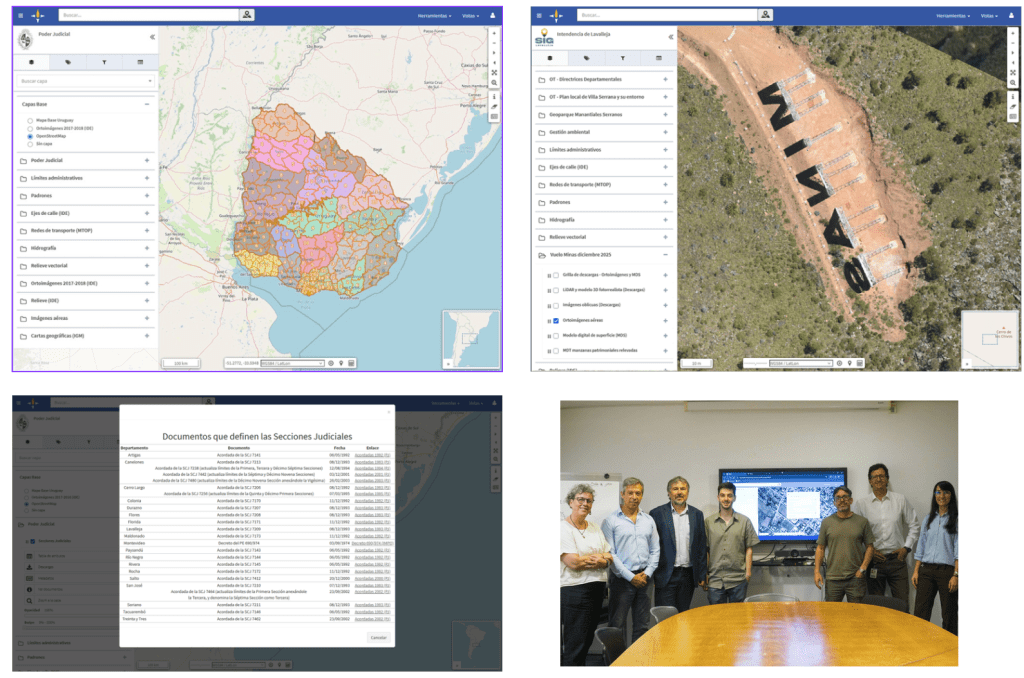
gvSIG Team: gvSIG Online como infraestructura pública en la IDE de Uruguay
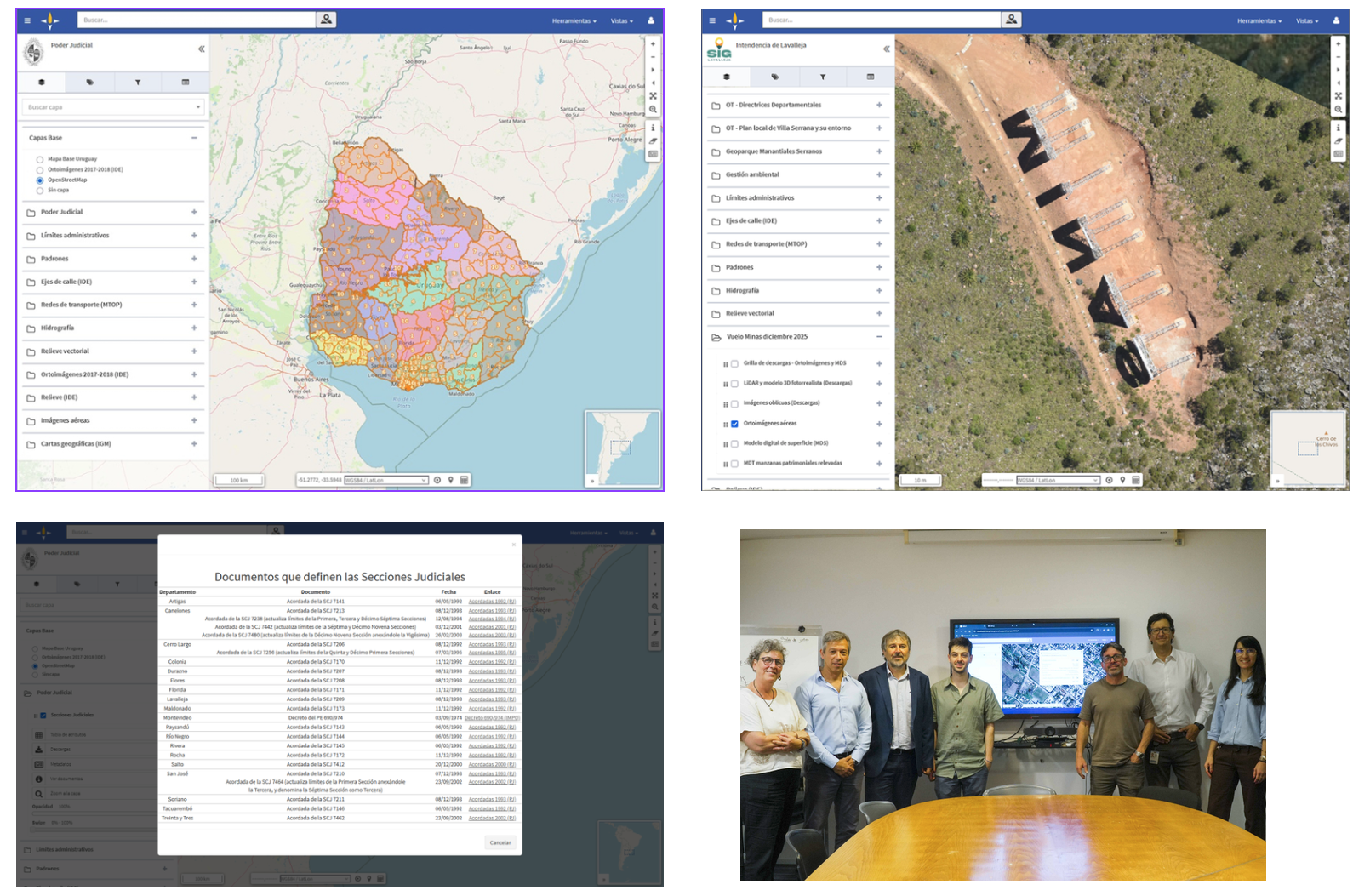
La información geográfica empieza a transformar una administración cuando deja de estar encerrada en documentos, mapas estáticos o sistemas aislados. La Infraestructura de Datos Espaciales de Uruguay es un gran ejemplo de ello. En el último año ha seguido ampliando su ecosistema de visualizadores temáticos, llevando la información geográfica oficial a ámbitos tan diversos como la justicia, la administración departamental, el deporte o la autoridad electoral.
En los últimos meses se han incorporado nuevos visualizadores en ámbitos tan diversos como:
...PostGIS Development: PostGIS Tiger Geocoder 2025.1
The PostGIS development team is pleased to provide postgis_tiger_geocoder extension. This is the very first release since the break from the PostGIS core. This version requires PostgreSQL 16 and above and should work with any supported PostGIS version.
PostGIS 3.6 series is the last series to include postgis_tiger_geocoder. PostGIS 3.7 will be shipped without postgis_tiger_geocoder.
Moving forward postgis_tiger_geocoder has its own dedicated repo at OSGeo Gitea postgis_tiger_geocoder under the PostGIS org.
The versioning model has also changed to be versioned based on the year of the Census US Tiger dataset that is current at time of it’s release.
Lutra consulting: State of the Map US 2026: Market insights, custom stacks, and community vibe
Propulsé par FreshRSS | 132 articles dans cette sélection