



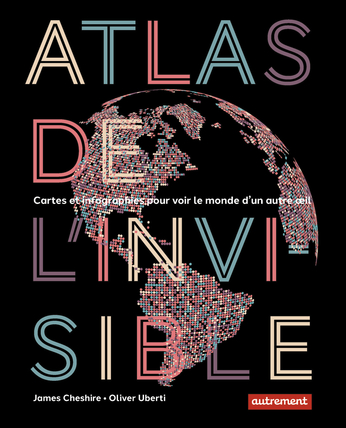
Les atlas décrivent depuis des siècles le monde que l’on voit. Cet atlas prend le contrepied de ce principe pour être une ode à l’invisible une ode aux informations qui ne peuvent être transmises par de simples mots ou chiffres.
Notre environnement repose sur un ensemble invisible de données qui grandit à chaque action que nous faisons. Les traces que nous laissons sont partout autour de nous.
James Cheshire et Oliver Uberti explorent grâce à leur insatiable curiosité ces données cachées et les transforment en de magnifiques cartes.
Le niveau de bonheur les câbles sous-marins les déplacements transfrontaliers le réchauffement climatique… Autant de phénomènes qui se révèlent sous nos yeux grâce à des projections cartographiques originales et rarement utilisées dessinant ainsi une nouvelle vision du monde.
Année : 2022
Editeur : Autrement
Url : https://www.autrement.com/atlas-de-linvisible/9782746762862 ...

Ce livre pose un regard sans complaisance sur les prouesses rêvées et les dangers réels que suscite l’IA, en nous dévoilant son fonctionnement, et donc sa véritable nature.
Un fossé existe entre la réalité scientifique de l’Intelligence Artificielle et la manière dont elle est expliquée et, par conséquent, perçue par le grand public. Ceux qui occupent la tribune et parlent de l’IA ne sont pas nécessairement ceux qui la pratiquent au quotidien. Alors comment faire la part du vrai et du fantasme ? Ce livre fait mieux que parler de l'IA : il vous explique ce qu'elle est.
En outre, les GAFA, leur monopole, la fin du travail, les technoprophètes, etc., révèlent un sens souvent caché, parfois même à dessein. En proposant des explications, puis une analyse critique de l'IA construite sur de nombreux arguments scientifiques, ce livre culmine sur la question de la possibilité même d'une conscience artificielle, graal et véritable but de ... Lire la suite
Ce n’est nullement la nature des biens qui déterminerait leur caractère de communs, mais plutôt le cadre institutionnel et réglementaire qui préside à leur érection en tant que communs, c’est-à-dire qui les institue. La notion anglo-saxonne commons est beaucoup plus expressive ici, car elle va au-delà de la ressource « tangible » pour appréhender la dynamique d’articulation et de « mise en commun » de trois grandes dimensions : une ressource, un régime collectif et un système de gouvernance. Les communautés en charge des communs sont des groupes informels et auto-institués autour de la production et de la préservation desdits communs. Elles doivent trouver des équilibres nouveaux avec les structures, publiques ou privées, qui ont la charge des biens qu’ils instituent comme communs. La perspective ouverte par les communs est vertueuse car elle offre un discours relativement robuste pour proposer une alternative à la pensée néolibérale centrée sur la ... Lire la suite
Des milliers de découvertes surgissent sans cesse sous la truelle des archéologues. Les vestiges d’habitats, de tombes, de sanctuaires ou d’ateliers enrichissent notre patrimoine comme notre compréhension des sociétés passées. Jamais encore ces archives du sol, du Rhin au Finistère, de la baie de Somme à la Corse et dans les terres d’outremer, n’avaient été cartographiées et illustrées avec une telle ampleur. Page à page, nous explorons les strates archéologiques telles que chaque époque nous les a léguées.
Cartes en mains, cet ouvrage nous emmène sur les sentiers de la préhistoire, nous montre les usages des femmes et des hommes du Néolithique, l’empreinte des Gaulois et de Rome, le Moyen Âge des fermes et des cathédrales, les traces de l’esclavage, les vestiges de notre activité industrielle et les marques laissées par la violence des guerres. Chaque objet, chaque pan de mur, chaque sépulture, chaque reste de repas mis au jour ... Lire la suite
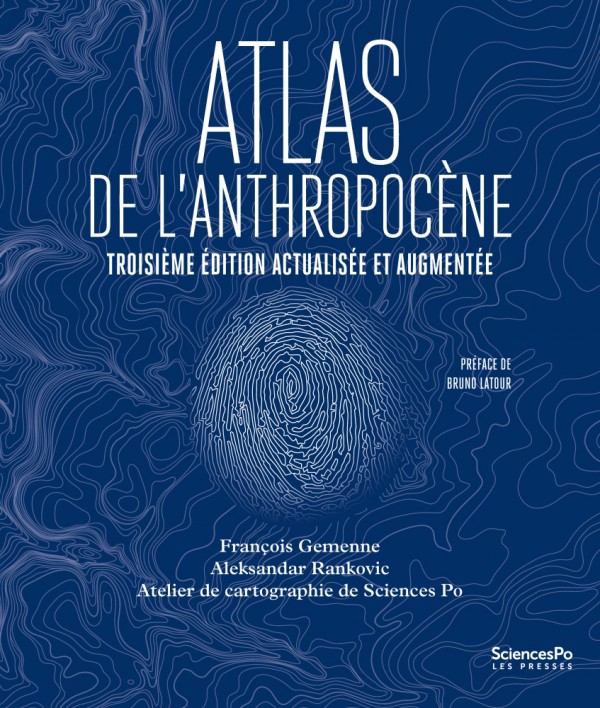
« Atlas, dans la mythologie, représente un géant capable de tenir la Terre sur ses épaules sans en être écrasé. Mais quand Gérard Mercator publie en 1538 ce qu'il décide d'appeler un Atlas, le rapport des forces s’est complètement inversé : un "Atlas" est un ensemble de planches, imprimées sur du papier, quelque chose que l’on feuillette et que le cartographe tient dans sa main ; ce n’est plus la Terre que l’on a sur le dos et qui nous écrase, mais la Terre que l’on domine, que l’on possède et que l’on maîtrise totalement. Près de cinq siècles après, voilà que la situation s’inverse à nouveau : paraît un "Atlas" qui permet aux lecteurs de comprendre pourquoi il est tout à fait vain de prétendre dominer, maîtriser, posséder la Terre, et que le seul résultat de cette idée folle, c’est de risquer de se trouver écrasé par Celle que personne ne peut porter sur ses épaules. » Bruno Latour
Changement climatique, érosion de la ... Lire la suite
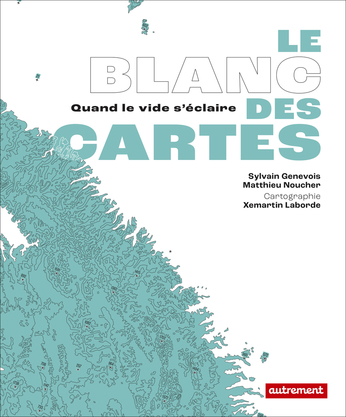
S’il n’y a rien, c’est déjà qu’il y a quelque chose…
Absence d’informations ou de données, oublis involontaires ou invisibilisation à des fins politiques ou culturelles, les blancs laissés sur les cartes ne sont pas neutres. Ces zones vides décuplent la curiosité et parfois même les fantasmes de ce qu’elles représentent ou peuvent cacher. Ce qui est vide est-il le reflet du rien ?
Alors que nous sommes aujourd’hui saturés de données disponibles, des blancs sur les cartes subsistent. Les auteurs dévoilent ici, grâce à une quarantaine de cartes, un nouveau monde et révèlent la diversité de ces « silences » cartographiques.
Année : 2024
Editeur : Autrement
Url : https://www.autrement.com/le-blanc-des-cartes/9782080427793 ...
Depuis sa création, la revue L’Histoire publie des articles d’historiens faisant état des dernières avancées de leurs recherches. Ces textes sont souvent enrichis d’une ou plusieurs cartes. En partant de ce fonds cartographique exceptionnel, Christian Grataloup et son équipe ont sélectionné, recréé et commenté 600 cartes et infographies racontant la marche du monde, des origines de l’Humanité à aujourd’hui.
Cet atlas est à la fois à la pointe de la recherche historique et accessible au plus grand nombre. Un outil pédagogique indispensable du collège à l’université.
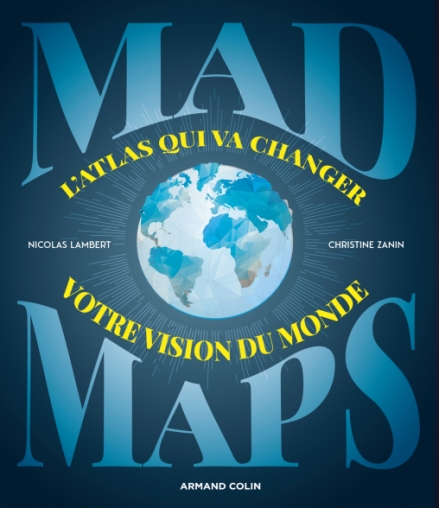
Planisphères déformés, reliefs inversés, frontières qui disparaissent, couleurs décalées… Attention, les 60 cartes de Mad Maps risquent bien de faire voler en éclats bon nombre de vos certitudes : le nord est-il toujours en haut ? Les continents existent-ils vraiment ? La France est-elle réellement en Europe ? Et si tout cela n’était finalement qu’une question de représentations ?
Après la lecture de cet atlas pas comme les autres, vous ne regarderez plus jamais les choses comme avant.
Alors êtes-vous prêt à changer votre vision du Monde ?
Année : 2019
Editeur : Armand Colin
Url : https://www.dunod.com/histoire-geographie-et-sciences-politi ...
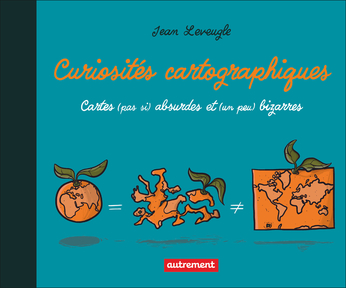
Les cartes disent-elles toujours la vérité ? Comment ne plus confondre méridiens et parallèles ? Une carte à grande échelle tient-elle dans la poche ? À quoi ressemblerait une carte dessinée par Mondrian ou Kandinsky ? Pourquoi le sud n’est-il pas en haut des cartes ? Pour ou contre la cartographie ?
L’auteur répond (ou pas) à toutes ces questions et surprend le lecteur, qu’il soit géographe ou simple curieux, avec plus de 100 cartes impertinentes et drôles, parfois absurdes mais (presque) toujours sérieuses. Il s’amuse avec les conventions cartographiques, en prend le contre-pied, brouille les cartes... Honnêtement, on en perdrait presque le nord !
Année : 2022
Editeur : Autrement
Url : https://www.autrement.com/curiosites-cartographiques/9782746 ...

Frontières, crise migratoire, tensions liées aux ressources, inégalités de développement, mondialisation et développement durable… Plus que jamais, l’appréhension de l’actualité repose sur l’analyse des phénomènes spatiaux et de la relation de l’homme à son environnement. Dans ce contexte, l’enseignement de la géographie joue un rôle essentiel pour comprendre une « globalisation » toujours plus prégnante.
Ce manuel repose donc sur une conviction : la nécessité de construire et transmettre une « culture géographique ». Après un rappel des fondements et contours de la discipline, les thèmes essentiels pour comprendre et enseigner la géographie sont présentés (habiter, urbanisation, étude des territoires, mondialisation, etc.), ainsi que les méthodes et pratiques.
En s’adressant tout particulièrement aux enseignants actuels et futurs, cette nouvelle édition propose une vue d’ensemble de la discipline. Elle ... Lire la suite
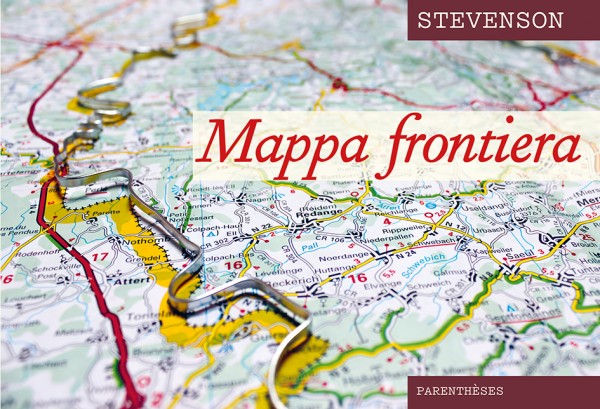
« On me dit que certains ne s’intéressent pas aux cartes ; j’ai peine à le croire… »
Robert Louis Stevenson
Longtemps, les frontières furent des marges, des zones d’épaisseur où s’entremêlaient circulations, échanges et rivalités.
Avec l’État moderne, elles sont devenues lignes de souveraineté — tracés géométriques, crêtes de montagnes, fleuves ou dispositifs militaires.
Simples traits séparant deux territoires ? Ces lignes, même fortifiées, restent au contraire fragiles, chargées d’histoire, riches de conflits et d’imaginaires.
Réunissant philosophe, historien, cartographe, géographe, architecte ou artiste, le collectif Stevenson propose un atlas d’images et de récits autour des lignes qui découpent notre monde.
Car tracer une frontière, ce n’est pas seulement séparer, c’est aussi transformer les territoires et façonner jusqu’à nos manières d’habiter la Terre.

Aux sources classiques des organisations internationales et des réseaux de villes, les auteurs de cet Atlas des mondes urbains ont confronté l'éventail des nouvelles possibilités offertes par le numérique, multiplié les échelles et se sont affranchis des spatialités territoriales usuelles. Voici une cartographie inédite de la planète des citadins.
Sept humains sur dix vivent en ville. Des mégapoles se forment sur tous les continents. Partout le bâti s'étale et se standardise, les mondes ruraux disparaissent, les modes de vie s'uniformisent et, dans le même temps, les inégalités se creusent. La généralisation de l’urbain réchauffe la planète, détruit la biodiversité et nous rend encore plus vulnérables face au changement climatique. Mais les villes sont aussi notre bien commun. Elles sont des lieux de production de richesses, d’innovation, de création culturelle, de solidarité et de résilience. Elles fascinent par leur gigantisme, leurs ... Lire la suite
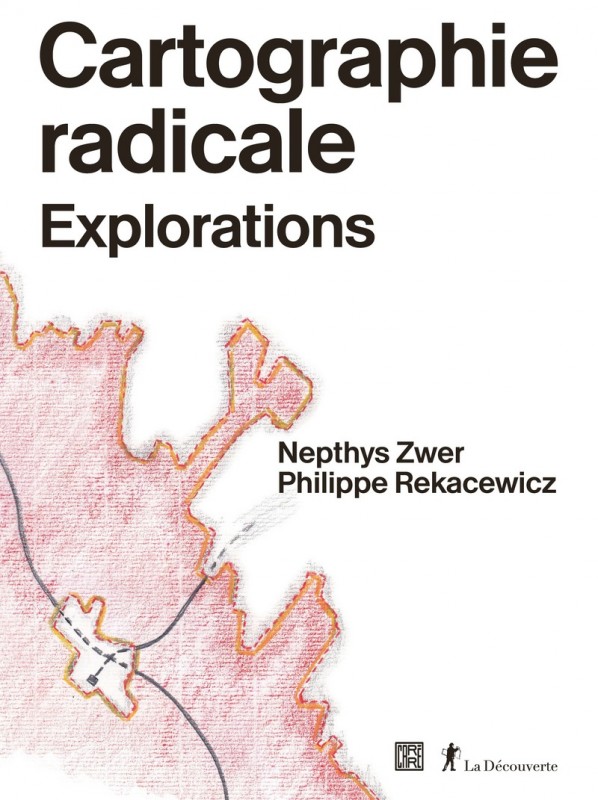
Il est des cartes qui disent non. Des cartes radicales, qui dévoilent et dénoncent, qui protestent. Pour comprendre ces cartes rebelles, leur fonctionnement, leurs forces, leurs possibilités, ce livre entreprend un voyage d'exploration au cœur de la création cartographique. Que se passe-t-il exactement quand nous élaborons une carte, qu'elle soit radicale, expérimentale (on parle aussi de cartographie critique ou de contre-cartographie) ou conventionnelle ? Quelles intentions président à sa fabrication et à sa mise en oeuvre ?
La première fonction des cartes est de nous aider à nous repérer dans l'espace et à nous déplacer d'un point à un autre. Elles permettent aux bateaux de naviguer et aux avions de voler. Avec des cartes, on fait la guerre, puis éventuellement la paix. Elles sont aussi de formidables machines à rêves, qui façonnent notre image du monde, en fixent la mémoire et finissent par fabriquer notre réalité. Qu'est-ce qui motive cet acte très ... Lire la suite

Pour connaître et selon le cas défendre, aménager, exploiter ou soumettre un territoire, la carte constitue un outil incomparable. Œuvre de haute précision, son établissement a toujours mobilisé les techniques les plus avancées pour réunir des informations précieuses, voire confidentielles, longtemps réservées aux souverains, diplomates et officiers. Cet ouvrage, dont le point de départ est la carte du Royaume de France dressée au milieu du XVIIIe siècle par l’astronome Cassini, présente l’intégralité des différentes séries cartographiques produites depuis lors ainsi que leurs nombreuses déclinaisons thématiques. Technique après technique — de relevé, d’impression, de colorisation, de découpage, de pliage… —, contenu après contenu — topographie, fortifications, voies de communication, géologie, hydrographie, sentiers de randonnée… —, ce sont ainsi deux siècles qui défilent, animés par un souci constant d’actualisation et ... Lire la suite

Et si l’humanité changeait de regard sur son territoire ?
Saviez-vous que le sommet de la planète n’est plus l’Everest mais le mont Chimborazo dans les Andes ? Que la moitié de la population humaine vit à moins de cent kilomètres d’un littoral ? Que la masse totale du béton et du ciment sur Terre vient de dépasser celle du vivant ? Ou encore que soixante-six départements français portent le nom d’une rivière ?
Avec des cartes surprenantes et des photos immersives, Maxime Blondeau nous révèle le caractère vital et fascinant de notre habitat commun. Un voyage scientifique et poétique pour éveiller notre conscience géographique, notre géoconscience.
Si l'éducation est devenue un champ d'études essentiel dans la plupart des sciences sociales (histoire, sociologie, philosophie), elle est un objet encore émergent pour la géographie en France, alors qu'elle est clairement instituée en Amérique du Nord et en Europe.
La mondialisation du fait éducatif, la multiplication des formes de mobilités liées à l’éducation, son imbrication complexe dans l’économie contemporaine, la diversité des échelles et des espaces de l’éducation, le renouvellement des inégalités et ségrégations éducatives, la territorialisation des politiques publiques font de l’éducation un objet pourtant éminemment géographique.
Cet ouvrage a donc pour ambition de proposer le premier manuel de géographie de l'éducation en langue française. En analysant la place de l’éducation dans l’organisation spatiale des sociétés, il montre comment cette dernière permet de (re)lire les grands enjeux socio-spatiaux à ... Lire la suite
Et si la meilleure façon de raconter l’histoire du monde, c’était de commencer par sa géographie?
En mobilisant la géologie, l’anthropologie, la climatologie, la démographie, la génétique ou encore l’économie, Christian Grataloup dessine dans ce livre lumineux et pionnier une autre histoire des sociétés humaines.
En confrontant toutes ces disciplines à nos connaissances historiques, il raconte pourquoi et comment les civilisations sont apparues sur la Terre, se sont développées ou ont parfois disparu. Une histoire qui est aussi humaine qu’environnementale. Une histoire globale. Une géohistoire.
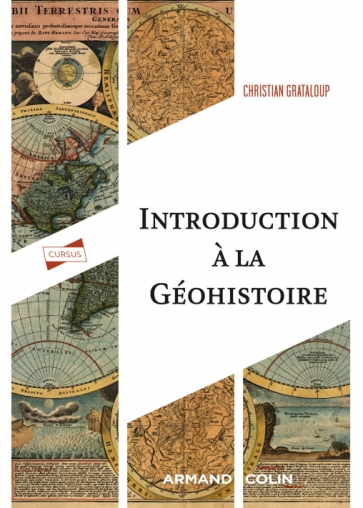
La « géohistoire », expression née sous la plume de Fernand Braudel, s’intéresse aux interactions entre les dimensions géographique et historique pour proposer une analyse des sociétés sur le temps long et à différentes échelles. À l’ère de la mondialisation, le croisement des perspectives spatiales et temporelles prend toute son importance et devient presque une nécessité. Ce manuel pédagogique propose une mise au point simple et critique sur les outils d’interface entre histoire et géographie. Assortie de cartes originales et de nombreuses définitions, cette introduction, première du genre, révèle toute la fécondité de l’approche géohistorique.
Année : 2023
Editeur : Armand Colin
Url : https://www.dunod.com/histoire-geographie-et-sciences-politi ...
Sur tous les continents, le rail reste le symbole de la mainmise des États et des puissances.
En Europe, l’UE relance le fret, et prévoit de doubler d’ici 2030 la part du transport de marchandises sur rail.
En Amérique du Nord, pour contrer le règne absolu de l’avion, le train redémarre, avec des lignes à grande vitesse et même le rêve d’une ligne transcontinentale.
La Chine, quant à elle, continue de tisser sa toile et bat tous les records : en dix ans, elle a mis en place 38 000 kilomètres de lignes à grande vitesse. Le régime chinois affirme ainsi sa mainmise sur l’ensemble du pays mais aussi bien au-delà de ses frontières avec l’implantation des nouvelles routes de la Soie.
Dans les zones de guerre, le rail est souvent le seul lien, ténu, entre les zones en conflit, et le train est alors un enjeu vital pour les populations.
Mais cette course au rail, qui requiert la construction de nouvelles lignes et ... Lire la suite

Comment les Australiens représentent-ils la planète ?
Comment serait l'Europe si Napoléon avait gagné Waterloo ?
Quels sont les pays qui passent à l'heure d'été et ceux où l'ion peut voyager ans passeport ?
La Polynésie est-elle vraiment aussi grande que l'Europe ?
Où le Père Noël habite-t-il ?
Notre drôle de planète se révèle avec des projections inhabituelles ou insolites, des caricatures, des cartes utopiques et uchroniques, des cartes imaginaires...
Cartes à l'appui, apprenons à regarder le monde sous toutes ses coutures et dans tous les sens. Un atlas surprenant, pour les curieux de tout âge !

Il y a vingt ans Apple entamait avec le retour de Steve Jobs sa seconde vie. Google et Amazon étaient des start-up et Facebook n’existait pas. Vingt ans après, les GAFA font partie des entreprises les plus puissantes au monde.
N’avons-nous pas fait preuve de naïveté face à ces jeunes pousses qui se réclamaient de la liberté d’entreprendre et de l’innovation ? Peut-on encore lutter contre ces empires plébiscités par les consommateurs et aux ambitions sans limite ?
Joëlle Toledano montre dans ce livre comment les GAFA arrivent à s’extraire du droit commun, à verrouiller la concurrence, à définir leurs propres règles en s’appuyant sur l’efficacité des outils numériques. Dénonçant notre retard face à ces entreprises sophistiquées et agiles, elle nous exhorte à comprendre ce nouveau monde et à reprendre l’initiative.
Année : 2020
Editeur : Odile Jacob
Url : https://www.odilejacob.fr/catalogue/sciences-humaines/econom ...
Depuis toujours, les humains ont su gérer collectivement des ressources, les partager. On parle alors de communs : des ressources partagées, gérées et entretenues par une communauté qui établit leurs règles d’utilisation.
Les communs trouvent dans le numérique une puissance incroyable, avec de superbes réussites comme les logiciels libres, Wikipédia, le Web, la science ouverte et de nombreuses autres. Pourquoi le numérique est-il si bien adapté aux communs ? D’abord, parce qu’un bien numérique est a priori non rival : sa consommation par un individu ne retire rien aux autres individus. Et puis parce que le numérique favorise des partages massifs de données, d’informations, de connaissances.
Toutefois, en dépit de leurs brillantes réussites, les modèles économiques des communs numériques sont parfois fragiles, leur gouvernance délicate, et la coexistence avec le monde du privé ne va pas sans frictions.
Richement illustré par de ... Lire la suite
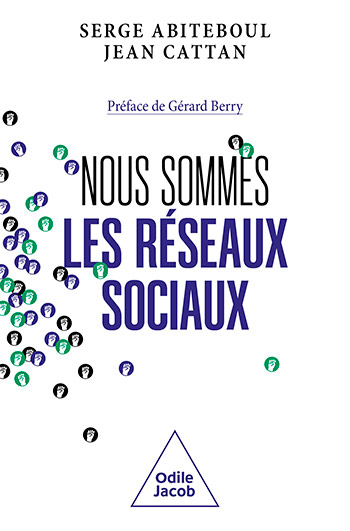
Les réseaux sociaux – Facebook, Twitter, YouTube, Instagram, TikTok, Reddit, LinkedIn… – ne se substituent pas à nos liens sociaux mais ils les transforment profondément. S’ils s’appuient sur des techniques brillantes de l’informatique, des infrastructures complexes et des modèles économiques aussi astucieux que pernicieux, leur richesse première reste les humains qui construisent ces liens : nous sommes les réseaux sociaux !
Partant de cette conviction, ce livre défend l’idée que nous ne pouvons abandonner notre destin à quelques entreprises qui, trop souvent, capturent notre attention et manipulent notre rapport à l’information. Entre la censure excessive et le laisser-faire, une autre voie est possible, plus démocratique, plus participative : les réseaux sociaux seront ce que nous en ferons.
Concret et accessible, ce livre propose un nouveau modèle de régulation et, au-delà, la possibilité de créer des réseaux ... Lire la suite
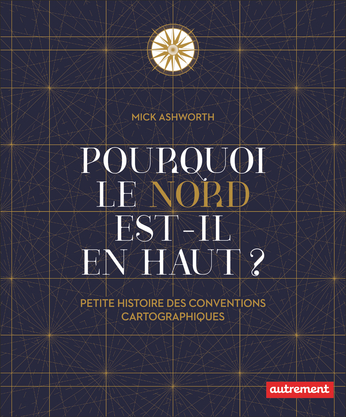
La cartographie et ses conventions sont universelles : orientation, projections, échelle, utilisation des couleurs ou des symboles, représentation du relief… Les normes et nomenclatures sont devenues communes, mais ça n’a pas toujours été le cas !
Magnifiquement illustré par plus de 100 cartes du Moyen Âge à la période contemporaine, cet ouvrage raconte l’histoire des conventions cartographiques. C’est aussi, et surtout, l’histoire d’un langage partagé, celui de la représentation du monde.
Année : 2021
Editeur : Autrement
Url : https://www.autrement.com/pourquoi-le-nord-est-il-en-haut/97 ...

À la croisée des chemins avec quatre grands champs de la pensée – imaginaire, science, philosophie et religion – l’histoire de la géographie revient sur les fondements sur lesquels vont s’établir les géographies des temps modernes et contemporains.
La géographie est-elle seulement un inventaire ou déjà une science ? Quelles représentations et quelles explications du monde propose-t-elle ? Quelles sont ses relations avec l'art et la littérature, le surnaturel et les mythes ? Comment ajuste-t-elle son discours aux omniprésents conditionnements des superstitions et aux puissantes exigences des religions ? Sa vision de l'espace terrestre est-elle influencée par la succession et les contradictions des cadrages philosophiques ?
Au fil d’un grand parcours diachronique, cet ouvrage a pour ambition de retracer deux millénaires de géographie. Il s'efforce d’abord de définir et délimiter la place de la géographie au sein du champ des connaissances et ... Lire la suite

À l’heure de la globalisation, peut-on comprendre le monde sans connaître la chaîne des événements qui l’ont façonné, la logique des rivalités, les affrontements des puissances ?
L’essor du monde bipolaire puis sa disparition, la décolonisation, l’enjeu de l’arme nucléaire, la globalisation de l’économie, l’émergence de nouvelles puissances… aucun de ces aspects n’est isolé. Ils interviennent tous au cours d’une grande histoire interconnectée et jouée par des acteurs hors normes, de Roosevelt à Trump en passant par de Gaulle, Mao, Castro, Mandela et Poutine.
Aujourd'hui, comprendre le monde n’est pas nécessaire, c’est indispensable. Les pays, les organisations non gouvernementales, les opinions publiques, ou encore les géants du numérique : ils jouent tous un rôle sur la scène internationale.
Le géopolitologue Pascal Boniface, connu pour sa clarté pédagogique, décrypte les principaux événements historiques depuis ... Lire la suite

De l’espace notre Terre est blanc et bleu. Des continents et des mers. En bas… un paradis. La douceur de l’air, l’odeur de l’iode et la fraîcheur de l’eau. Là, entre zéro et quinze kilomètres au-dessus du niveau de la mer, tout autour du globe, il y a ces 1 400 milliards de tonnes de dioxyde de carbone. Le CO2 que nous avons émis depuis le début de l’industrialisation. Des milliards de tonnes prisonnières de la basse atmosphère.

- Pourquoi y a-t-il deux Corées ?
- Que se passe-t-il au Mali?
- Pourquoi le Groenland attise-t-il les convoitises ?
- Quel avenir pour l'Europe ?
- À qui appartient l'espace ?
- Pourquoi le Moyen-Orient concentre-t-il les conflits et les crises ?
Autant de questions auxquelles il semble difficile de répondre simplement
et sans simplifier ! Mais parce que le monde n’a jamais été aussi compliqué,
que les frontières d’hier causent les guerres d’aujourd’hui, que des
systèmes politiques entiers vacillent, que de petites régions de la planète
menacent de faire basculer l’ordre mondial, Baptist Cornabas, créateur
de la chaîne Youtube Parlons Y-stoire et professeur d’histoire, se frotte
à l’exercice… Et il propose un panorama clair et accessible des grandes
questions qui se posent à nous tous les jours lorsque nous recevons
des nouvelles du monde.
Lire la suite
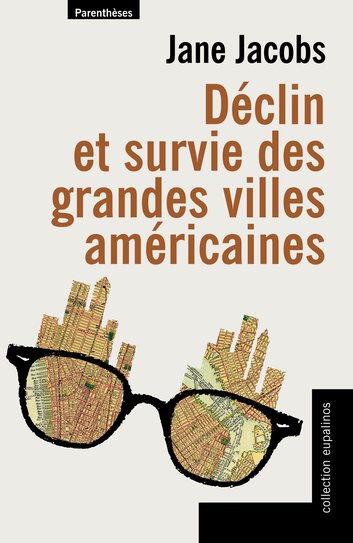
« Les villes forment un immense laboratoire pour faire des expériences, commettre des erreurs, échouer ou réussir en matière d’architecture et d’aménagement urbain. C’est dans ce laboratoire que l’urbanisme aurait dû étudier, concevoir et expérimenter des théories. Au lieu de cela, les hommes de l’art et les enseignants de cette discipline (si l’on peut dire) ont fait abstraction du succès ou de l’échec des opérations réalisées et ne se sont nullement préoccupés de rechercher les raisons des réussites inattendues. Ils se sont laissés guider par des principes inspirés du fonctionnement et de l’aspect de localités de moindre importance, de banlieues, de sanatoriums, de foires-expositions, de cités de rêve, en bref de tout sauf de villes véritables. Il n’est donc pas étonnant, dans ces conditions, de constater que les secteurs rénovés des villes ainsi que les constructions neuves qui s’étendent interminablement au-delà de leurs limites ... Lire la suite
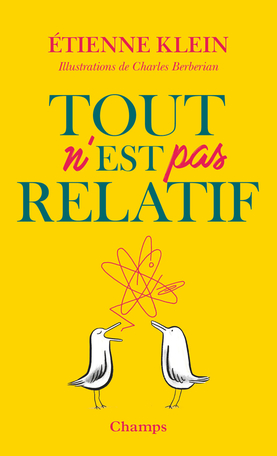
Peut-on marcher sur l’eau ? L’homme « produit-il » vraiment de l’énergie ? Est-il possible d’expliquer l’origine de l’Univers ?
À travers 23 textes joliment ciselés, Étienne Klein combat avec humour et rigueur le relativisme ambiant et nous invite à voir le monde autrement. Qu’ils traitent de science, de politique, du langage ou encore de progrès, ces billets montrent en filigrane que non, décidément, tout n’est pas relatif. À la façon des théories d’Einstein, notre quotidien est lui aussi sous-tendu par des invariants et des absolus qu’il importe d’identifier.

L'urbanisme, terme apparu récemment dans la langue (au début du XXe siècle), n'est pas aisé à définir. Il a suscité de nombreuses « théories » dont aucune n'a fait l'unanimité. Peut-être cette difficulté s'explique-t-elle par le caractère essentiellement pluridisciplinaire d'une activité qui vise à créer dans le temps une disposition ordonnée de l'espace, en recherchant harmonie, bien-être et économie. En effet, l'urbanisme relève autant de l'art que de l'architecture, de l'économie que de la sociologie, de l'histoire que de la géographie, du droit que de l'ingénierie.
Quelle est l'histoire de l'urbanisme depuis son origine, et en quoi consiste concrètement sa pratique en France depuis les diverses lois qui ne cessent de se succéder et de complexifier sa pratique ?
La cartographie et ses conventions sont universelles : orientation, projections, échelle, utilisation des couleurs ou des symboles, représentation du relief… Les normes et nomenclatures sont devenues communes, mais ça n’a pas toujours été le cas !
Magnifiquement illustré par plus de 100 cartes du Moyen Âge à la période contemporaine, cet ouvrage raconte l’histoire des conventions cartographiques. C’est aussi, et surtout, l’histoire d’un langage partagé, celui de la représentation du monde.
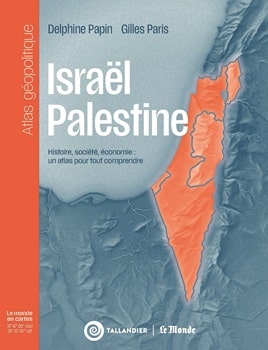
Les massacres du 7 octobre 2023 et l’anéantissement de Gaza qui s’est ensuivi ont ravivé une guerre de plus de cent ans. Le conflit israélo-palestinien a commencé au début du xxe siècle avec la promesse faite par les Européens aux populations juives et arabes de pouvoir disposer du même territoire.
Avec des cartes et infographies d’exception, cet atlas fait la synthèse des connaissances sur le sujet en abordant les aspects historiques, économiques, culturels et religieux de cette région.
Un atlas pour comprendre comment le cycle de violence en cours redessine le Moyen-Orient.
Service Infographie du journal Le Monde – Julie Cassotti, Francesca Fattori, Sylvie Gittus, Flavie Holzinger, Xemartin Laborde, Audrey Lagadec, Véronique Malécot, Floriane Picard, Riccardo Pravettoni et Victor Simonnet. Légendes Cartographie – Elina Maupin et Frédéric Miotto.
À l’origine, il y a Paris. Et un flâneur infatigable qui explore ses deux rives depuis des années. De cette expérience amoureuse, il a distillé au fil des jours 100 cartes incongrues. Sur chacune se dessine une vision : on y découvre ainsi toutes les rues depuis lesquelles on peut apercevoir la Tour Eiffel, celles où les barricades avaient été installées lors de la Commune de 1871, les quartiers définis selon la provenance de l’eau dans votre robinet, les îles disparues que l’on trouvait autrefois sur la Seine, le trajet du premier vol habité (en montgolfière)…
Cet Atlas inutile est une invitation graphique à un voyage poétique, à la rencontre de choses oubliées, et d’autres qui sont sous notre nez sans qu’on y prête attention. Les cartes se succèdent et s’accumulent dans un plaisir du détail, de l’anecdote et de la contemplation, enfin dans une balade à travers l’inutile, à la (re)découverte d’une ville cent fois immense.
Armement, numérique, médicaments, énergie… : pour nombre de nos approvisionnements essentiels, la France et l’Europe sont aujourd’hui à la merci des empires états-unien, chinois ou russe. Nous nous pensions autonomes. Depuis le Covid, la guerre en Ukraine et en Iran, nous nous découvrons dépendants. Le réveil est brutal.
Si nous voulons rester maîtres de notre destin, il nous faut regagner en souveraineté.
Cela suppose des capacités industrielles offrant, entre autres, une alternative aux Big Tech américaines ou aux conglomérats chinois. Pour les édifier, nous ne pourrons pas nous limiter aux outils qui n’ont pu enrayer notre déclassement. Subventionner ou réguler sera insuffisant. Ce livre explore de nouvelles façons de faire coopérer puissance publique, entreprises, utilisateurs et citoyens.
Il serait absurde et inefficace que cette fabrique de la souveraineté emprunte la voie de l’autoritarisme. Elle doit nous ressembler, faire ... Lire la suite
Il faut réinventer l’État. Du mouvement des Gilets jaunes à la crise sanitaire, les Français nous interpellent sur la fin d’un modèle.
Ce livre veut ouvrir une voie optimiste. Notre époque est celle d’une volonté d’action inédite de nos concitoyens. Mobilisation environnementale, solidarités dopées par les outils numériques, municipalisme, mouvement des « communs », relocalisations : autant de promesses pour résoudre par la base les grands défis du siècle.
De la sphère publique, émerge aussi une foule de petits miracles pour libérer ce potentiel. Autant de signaux faibles qui montrent qu’un autre État est possible – c’est l’une des richesses de ce livre que de nous en fournir un panorama inattendu et stimulant.
Année : 2020
Editeur : Odile Jacob
Url : https://www.odilejacob.fr/catalogue/sciences-humaines/scienc ...
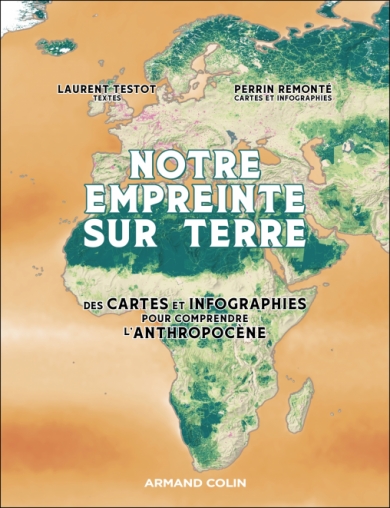
L’humanité est devenue la première force altérant la planète Terre, surpassant la nature. Nous déplaçons les montagnes bien plus rapidement que les séismes, reconfigurons les rivières plus efficacement que les inondations, acidifions l’océan,
déréglons le climat, décidons quels animaux survivent et quels écosystèmes disparaissent… Ce cataclysme est l’enjeu politique majeur du XXIe siècle, car il conditionne la survie de l’humanité.
La notion d’Anthropocène – l’époque de l’être humain –, qui pourrait succéder à l’Holocène, marque géologiquement ce changement de vision sur le monde. Elle permet d’en prendre conscience dans sa complexité et ses conséquences en cascade.
Cet atlas vise à montrer très simplement, visuellement, de manière globale ou plus régionale, comment la présence humaine affecte profondément et durablement le système Terre. Océans, atmosphère, terres, biodiversité… les innombrables ... Lire la suite
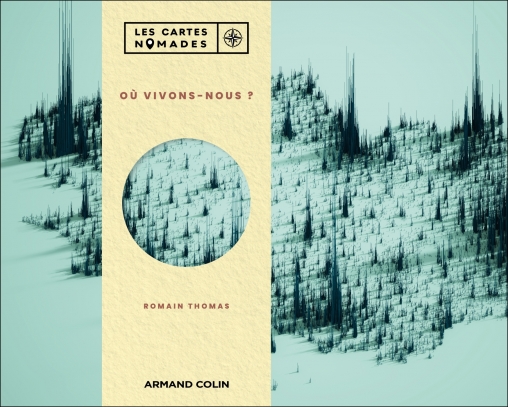
Dans quelles régions vivons-nous principalement ?
Quels sont les endroits de France les plus peuplés ?
Quelle est l’influence du territoire sur la répartition de la population ?
De la Corse à la Bretagne, des littoraux aux régions montagneuses, en passant par les territoires d’outre-mer, redécouvrez les régions françaises à travers leur population.
Finement réalisées à partir des données les plus récentes de l’Insee, les cartes
de ce recueil redessinent les paysages français – fleuves, montagnes, littoraux –, permettant au lecteur de visualiser d’un seul coup d’oeil, en trois dimensions,
les inégalités de densité et les logiques d’implantation au sein d’une même région.
Présentées dans un format de petit poster facile à détacher, à afficher comme
à partager, ces cartes apporteront une note épurée aux murs de votre maison.
Année : 2026
Editeur : Armand Colin
Url : https://www.dunod.com/histoire-geographie-et-sciences-politi ...

Le 8 avril 2021, un tweet inattendu déclenche une onde de choc. Un inconnu prévoit, avant tout le monde, une vague de gel dévastatrice et alerte sur les pertes de rendement spectaculaires que ce phénomène entraînera pour les agriculteurs. Non pas à cause du gel lui-même, mais en raison du « faux printemps » qui a régné sur le territoire français les semaines précédentes. Quelques jours plus tard, les faits lui donnent raison.
Cet homme, c'est Serge Zaka, pionnier de l'agroclimatologie en France.
Dans Orages sur le climat, il retrace son parcours hors du commun : de son enfance au Liban à sa quête de solutions face au changement climatique, en passant par ses études en agronomie et sa passion viscérale pour la chasse aux orages. Devenu une figure clé des débats sur l'avenir de nos terroirs, Serge Zaka nous entraîne au cœur des défis de demain, explorant les liens cruciaux entre climat et agriculture, et dévoilant des solutions audacieuses.
Année : 2025
Editeur : Harper Collins
Url : https://www.harpercollins.fr/products/orages-sur-le-climat-1 ...
En 1976, la première édition de ce livre dans la " Petite collection Maspero " fit grand bruit. Il faut dire que le géographe Yves Lacoste y proposait une analyse iconoclaste : il fustigeait la " géographie des professeurs ", apparue au xixe siècle et progressivement devenue un discours idéologique masquant l'importance politique de toute réflexion sur l'espace – tandis que sa variante scolaire a longtemps été vue comme l'un des enseignements les plus rébarbatifs. Mais, surtout, il montrait qu'existait aussi une autre géographie, plus ancienne et toujours actuelle, la " géographie des états-majors ", ensemble de connaissances rapportées à l'espace et constituant un savoir stratégique utilisé par les dirigeants.
À rebours de ces deux conceptions, Lacoste affirmait que les questions soulevées par la géographie concernent en réalité tous les citoyens : des questions multiformes, à la croisée de nombreuses disciplines. La pertinence de ce livre devenu ... Lire la suite
Applisat a pour but d'encourager l'utilisation des informations issues des observations par satellite.
Applisat est piloté par le Commissariat général au développement durable (CGDD) avec l’aide du Centre d’études et d’expertise sur les risques, l’environnement, la mobilité et l’aménagement (Cerema), dans le cadre du plan d’applications satellitaires.
Applisat propose un espace de partage autour de 8 thématiques
Editeur : CGDD
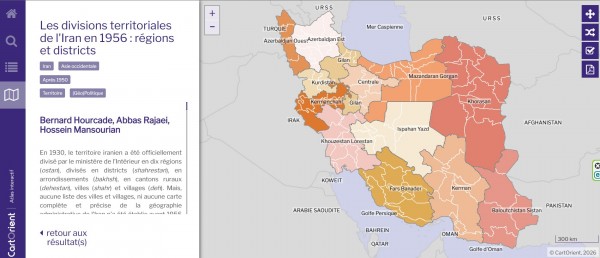
Cet atlas a été réalisé à partir des résultats du premier recensement général de la population, en Iran, qui ont été publiés en 1961 en persan, sous la forme de 119 fascicules pour chacun des districts de recensement (howzeh sarshomari) et de deux volumes de synthèse publiés en persan et en anglais en 1961 et en 1962. La réalisation de ce recensement a également été l'occasion de la cartographie exhaustive du territoire national.
Pour réaliser cet Atlas, une centaine de variables ont été collationnées à l’échelle des 119 districts de recensement (howzeh sarshomāri), par Abbas Rajaei et Hossein Mansourian, maîtres de conférences à la faculté de géographie de l’Université de Téhéran. Elles ont été analysées en 2019 avec Bernard Hourcade dans le cadre d’une collaboration académique avec le Centre de recherche sur le monde iranien (CeRMI), UMR 8041 (CNRS, Sorbonne nouvelle, Inalco, EPHE). Leur mise en forme cartographique a été réalisée ... Lire la suite