Planet GeoRezo

Agrégateur de flux RSS - Actualités et contenus géomatiques


geomatico: Tejiendo redes

geomatico: Tejiendo redes

Ya desde los inicios de la red de autónomos que fue el germen de Geomático, teníamos la costumbre de hacer, todos los años, al menos una reunión presencial de todo el equipo. Para quienes trabajáis en empresas cien por cien en remoto, sabéis lo importante que es juntarse y convivir con otros humanos.

En Geomático, además, al ser una cooperativa, aprovechamos la ocasión para realizar lo que legalmente es nuestra Asamblea Ordinaria. En nuestro caso, utilizamos este evento tanto para la toma de decisiones que requieren el debate de todas las personas socias como para lo que comúnmente llamamos “frikear” un poco.

Durante todo este tiempo, cuando se acercaban estas fechas, elegíamos dónde queríamos vernos y nos poníamos a buscar alojamiento. Hace cuatro años decidimos que nos reuniríamos en Segovia y, durante la búsqueda, dimos con Duermevela.

...
Lire la suite →
gvSIG Team: Technological sovereignty: when dependency is no longer an option

gvSIG Team: Technological sovereignty: when dependency is no longer an option

For years, at gvSIG we have insisted on a concept that was often dismissed as ideological, romantic, or even naïve: technological sovereignty.

Today, in a context marked by geopolitical tensions, supply chain disruptions, and structural dependence on external technologies, this concept has moved beyond academic debate to become a strategic necessity.

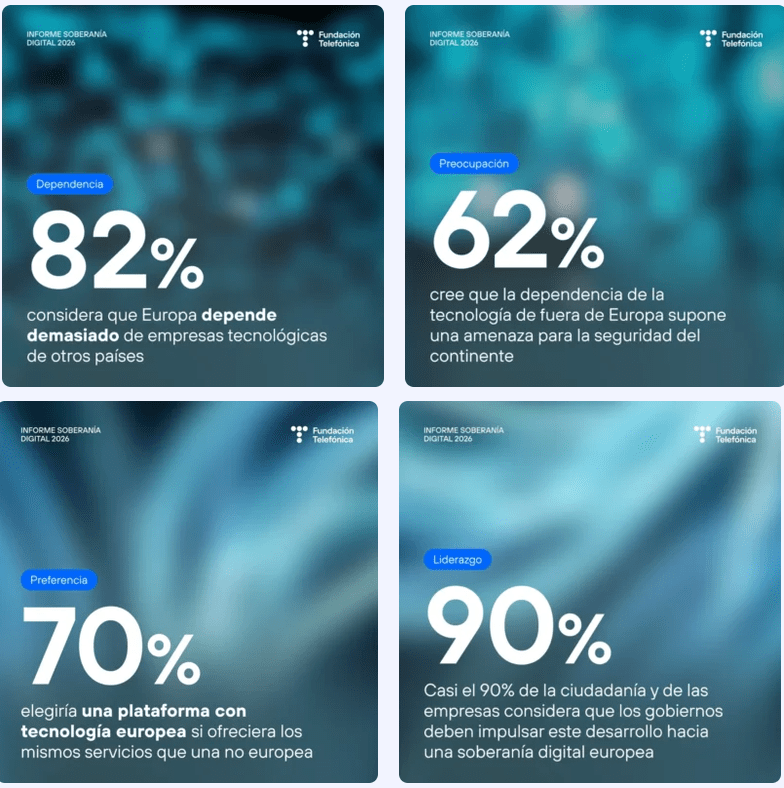
Europe imports around 80% of its digital infrastructure and technologies. This is not only an economic issue: it is a political, operational, and democratic vulnerability. We depend on decisions taken outside our legal frameworks, our interests, and, in many cases, our values.

...
Lire la suite →
gvSIG Team: Soberanía tecnológica: cuando la dependencia deja de ser una opción

gvSIG Team: Soberanía tecnológica: cuando la dependencia deja de ser una opción

Durante años, en gvSIG hemos insistido en un concepto que muchas veces se despachaba como ideológico, romántico o incluso ingenuo: la soberanía tecnológica.
Hoy, en pleno contexto de tensiones geopolíticas, disrupciones en las cadenas de suministro y dependencia estructural de tecnologías externas, ese concepto ha dejado de ser un debate académico para convertirse en una necesidad estratégica.

Europa importa alrededor del 80 % de su infraestructura y tecnología digital. Esto no es solo una cuestión económica: es una vulnerabilidad política, operativa y democrática. Dependemos de decisiones tomadas fuera de nuestro marco legal, de nuestros intereses y, en muchos casos, de nuestros valores.

...
Lire la suite →

TorchGeo: v0.8.1

TorchGeo 0.8.1 Release Notes

This is a bugfix and maintenance release. While there are no new features or API changes, this release includes important bug fixes, documentation improvements, and minor enhancements across datasets, models, and testing.

Note

TorchGeo's documentation has been updated to use the PyData Sphinx Theme, bringing a modern look and feel along with improved navigation and accessibility. The new theme aligns TorchGeo with other scientific Python projects like NumPy, pandas, and xarray, providing a familiar experience for users across the ecosystem.

...
Lire la suite →
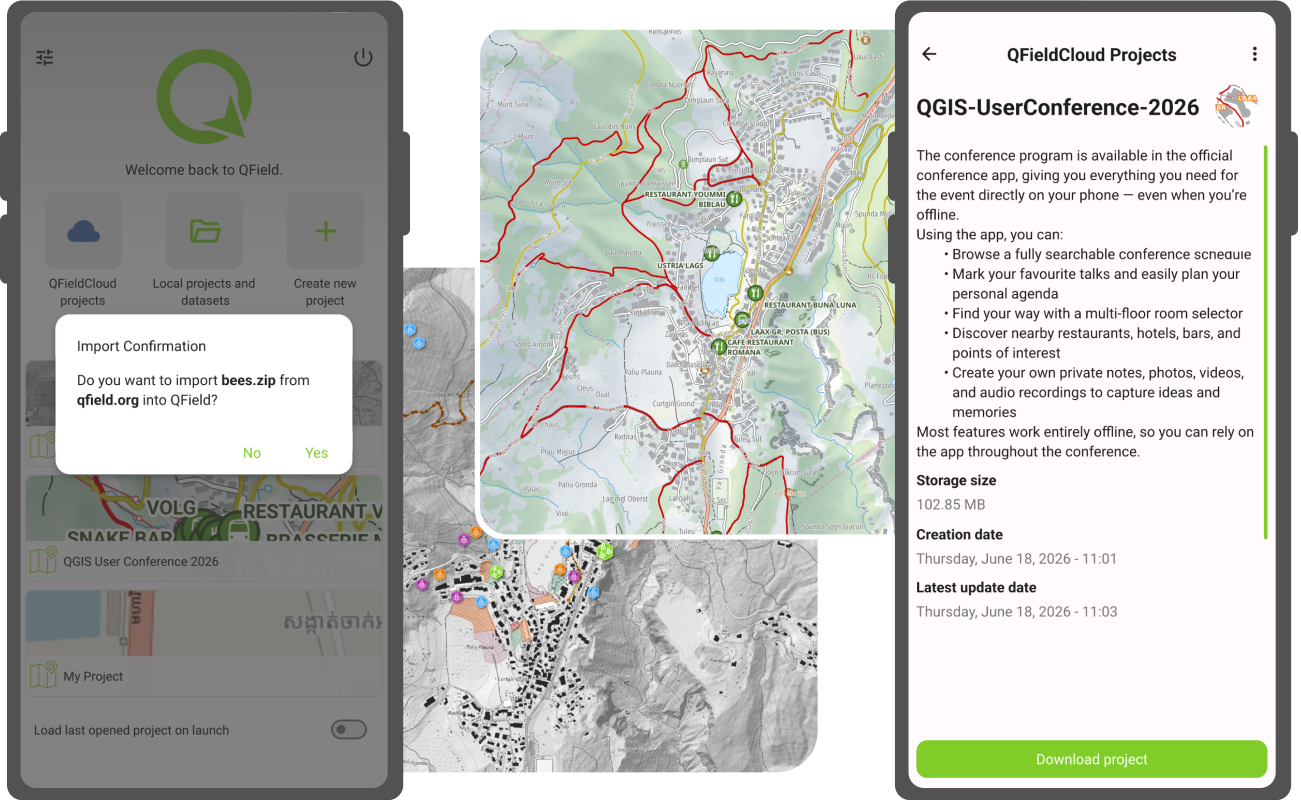
OPENGIS.ch: QGIS User Conference 2026: welcoming the community to Laax 🏔️

OPENGIS.ch: QGIS User Conference 2026: welcoming the community to Laax 🏔️

We’re genuinely excited to co-organise the upcoming QGIS User Conference together with QGIS User Group Switzerland, and to do so in Laax, right here in the Swiss Alps.

Laax is home to OPENGIS.ch and the place where QField was born. It is a setting that has shaped how we work, how we collaborate, and how we think about building open-source tools that are meant to be used in the real world.

Bringing the global QGIS community together in such a place feels just right. People and ideas come together around open source, with space to exchange, reflect, and collaborate, in an environment that mirrors values that are deeply rooted in our DNA and our close connection to nature.

...
Lire la suite →
gvSIG Team: Descubre el nuevo frontend de gvSIG Online en pocos minutos

gvSIG Team: Descubre el nuevo frontend de gvSIG Online en pocos minutos

El nuevo frontend de gvSIG Online da un paso adelante en usabilidad, claridad y experiencia de usuario.

En este breve vídeo te mostramos, de forma rápida y directa, las principales herramientas y elementos de la interfaz: navegación por el geoportal, gestión de capas, herramientas habituales de consulta, edición, marcadores, etc… y una organización del interfaz pensada para trabajar de forma más ágil y eficiente con información geoespacial.

Ver el vídeo:

Una buena oportunidad para conocer, en solo unos minutos, cómo evoluciona gvSIG Online y qué aporta su nuevo frontend al trabajo diario con mapas y datos territoriales. Y esto solo son las herramientas principales…

Lire l'article complet ↗

GeoTools Team

 GeoTools 34.2 releasedThe GeoTools team is pleased to announce the release of the latest stable version of GeoTools 34.2:geotools-34.2-bin.zipgeotools-34.2-doc.zipgeotools-34.2-userguide.zipgeotools-34.2-project.zipThis release is also available from the OSGeo Maven Repository and is made in conjunction with GeoServer 2.28.2 and GeoWebCache 1.28.2.We are grateful to Gabriel
Lire l'article complet ↗
Sean Gillies: Running in 2026: the plan

Sean Gillies: Running in 2026: the plan

I've made my long range plan for 2026. It's different from my plans from 2023-2025, which were about recovering from injuries and trying to finish a 100 mile race. I succeeded in the former, but not in the latter.

In 2026 I am trying to be more intentional about training for speed. I'm going to do some workouts that develop power and neuromuscular adaptations, without any concern for building aerobic capacity during those workouts. I'm going to do more strides during longer runs and sign up for some shorter 5-10K races. I'm going to remind myself that running briefly, but regularly, at 100 percent can translate to running faster at 80-85 percent during a longer run.

...
Lire la suite →
Mappery: Multimap Teapot

Mappery: Multimap Teapot

We all enjoy a nice cup of tea with family or friends over Christmas, Walter Schwartz spotted this mappy teapot on his travels.

“This little teapot, short and stout, was in the Two English Ladies Tea Shoppe, a booth at the San Francisco Dickens Fair. It says “Cardew’s London Maps” on the bottom and may have originally been for sale in 1992.  Although it is in the collection of the shop owner, they removed from it display case and let me photograph it because I explained it was for the internationally renowned mappery.org website.”

My guess is that this was made for Multimap, a London based mapping business at the time of the first dotcom boom (late 90’s early 2000’s), as a corporate gift. Maybe one of my friends who worked there will be able to confirm.

Lire l'article complet ↗
gvSIG Team: The SDI as a silent infrastructure

gvSIG Team: The SDI as a silent infrastructure

A Spatial Data Infrastructure (SDI) works like the nervous system of the digital territory. It is not always visible, but it connects data, people, and decisions. When everything works properly, it goes unnoticed. When it does not exist, problems become chronic.

Outdated layers, unresponsive services, duplicated or inconsistent data… the outcome is well known: wasted time, poor coordination between departments, and decisions made with incomplete information— not to mention the public service role that SDIs play in terms of communication and transparency with citizens.

...
Lire la suite →
gvSIG Team: La IDE como infraestructura silenciosa

gvSIG Team: La IDE como infraestructura silenciosa

Una Infraestructura de Datos Espaciales (IDE) funciona como el sistema nervioso del territorio digital. No siempre se ve, pero conecta datos, personas y decisiones. Mientras todo funciona, pasa desapercibida. Cuando no existe, los problemas son crónicos.

Capas desactualizadas, servicios que no responden, datos duplicados o incongruentes… El resultado es conocido: más tiempo perdido, menor coordinación entre áreas y decisiones tomadas con información incompleta… por no hablar del servicio público que aportan las IDE en cuanto a comunicación y transparencia con los ciudadanos.

...
Lire la suite →
GIScussions: Elite Football in Europe – don’t rely on AI to compile data

GIScussions: Elite Football in Europe – don’t rely on AI to compile data

Click on the image above to view the map

Anyone who knows me knows that two of my top passions are maps and football, more specifically The Arsenal. Fans are always debating the historic achievements of their clubs, in some cases going back 40 years or more to find success (name-check = Ken Field), so I thought I would use a map canvas as a backdrop to an interactive dashboard to explore the connections between finances and success.

...
Lire la suite →
gvSIG Team: The gvSIG Suite as a partner for better municipal management

gvSIG Team: The gvSIG Suite as a partner for better municipal management

In the day-to-day management of a city council, information is key. But it is not just about having data—it is about knowing how to organize it, keep it up to date, and turn it into useful knowledge for decision-making. This is where the geographic dimension plays a fundamental role: infrastructures, administrative procedures, public services, environment, urban planning, or heritage… almost everything happens in a specific place within the territory.

The gvSIG Suite provides a comprehensive response to this challenge by combining three tools that cover the entire lifecycle of municipal geographic information: gvSIG Online, gvSIG Mapps, and gvSIG Desktop.

...
Lire la suite →
OSGeo Announcements: [OSGeo-Announce] OSGeo Board Election 2025 results

OSGeo Announcements: [OSGeo-Announce] OSGeo Board Election 2025 results

OSGeo OSGeo Board Election 2025 results - OSGeo

There were five open seats for the 2025 board in this cycle of the Board of Directors election. The Chief Returning Officers reported that 285 out of 468 Charter members cast their votes for the Board of Directors (60% participation). … Continued

Est. reading time: 2 minutes

The Open Source Geospatial Foundation is pleased to announce the
results of its Board of Directors elections 2025.

There were five open seats for the 2025 board in this cycle of the
Board of Directors election. The Chief Returning Officers reported
that 285 out of 468 Charter members cast their votes for the Board of
Directors (60% participation). More information on the election
results is available on the dedicated OSGeo wiki page[1].

...
Lire la suite →
gvSIG Team: La Suite gvSIG como aliada para una mejor gestión municipal

gvSIG Team: La Suite gvSIG como aliada para una mejor gestión municipal

En la gestión diaria de un ayuntamiento, la información es clave. Pero no solo importa tener datos, sino saber organizarlos, mantenerlos actualizados y convertirlos en conocimiento útil para la toma de decisiones. Y ahí es donde la dimensión geográfica juega un papel fundamental: infraestructuras, expedientes, servicios públicos, medio ambiente, urbanismo o patrimonio… casi todo ocurre en un lugar concreto del territorio.

La Suite gvSIG ofrece una respuesta integral a este reto, combinando tres herramientas que cubren todo el ciclo de vida de la información geográfica municipal: gvSIG Online, gvSIG Mapps y gvSIG Desktop.

...
Lire la suite →
gvSIG Team: From Digital Twins to Territorial Intelligence: A natural evolution of geomatics

gvSIG Team: From Digital Twins to Territorial Intelligence: A natural evolution of geomatics

For years, in the field of geomatics, we have worked to describe territory with the highest possible level of accuracy. First came traditional GIS, then the Smart Cities narrative, and more recently the consolidation of the digital twin concept. Each of these terms has served a very specific purpose: helping us explain complex projects and highlight the value of geospatial technology in increasingly broad contexts.

The digital twin has represented an important step forward. It has allowed us to talk about models that integrate heterogeneous data, evolve over time, and represent complex territorial systems in an understandable way. However, as these projects mature, a shared feeling begins to emerge: representing reality well is no longer enough.

...
Lire la suite →

Sean Gillies: Rasterio 1.5.0

Version 1.5.0 of your favorite Python library for reading and writing classic GIS raster data is on PyPI now. Since Jan 5, in fact.

Among other new features, this version adds support for 16-bit floating point raster data, and HTTP cache control. Please See the release notes for a full list of bug fixes, new features, and other changes.

Once again, major credit goes to Alan Snow for managing this release. Thanks, Alan!

Lire l'article complet ↗
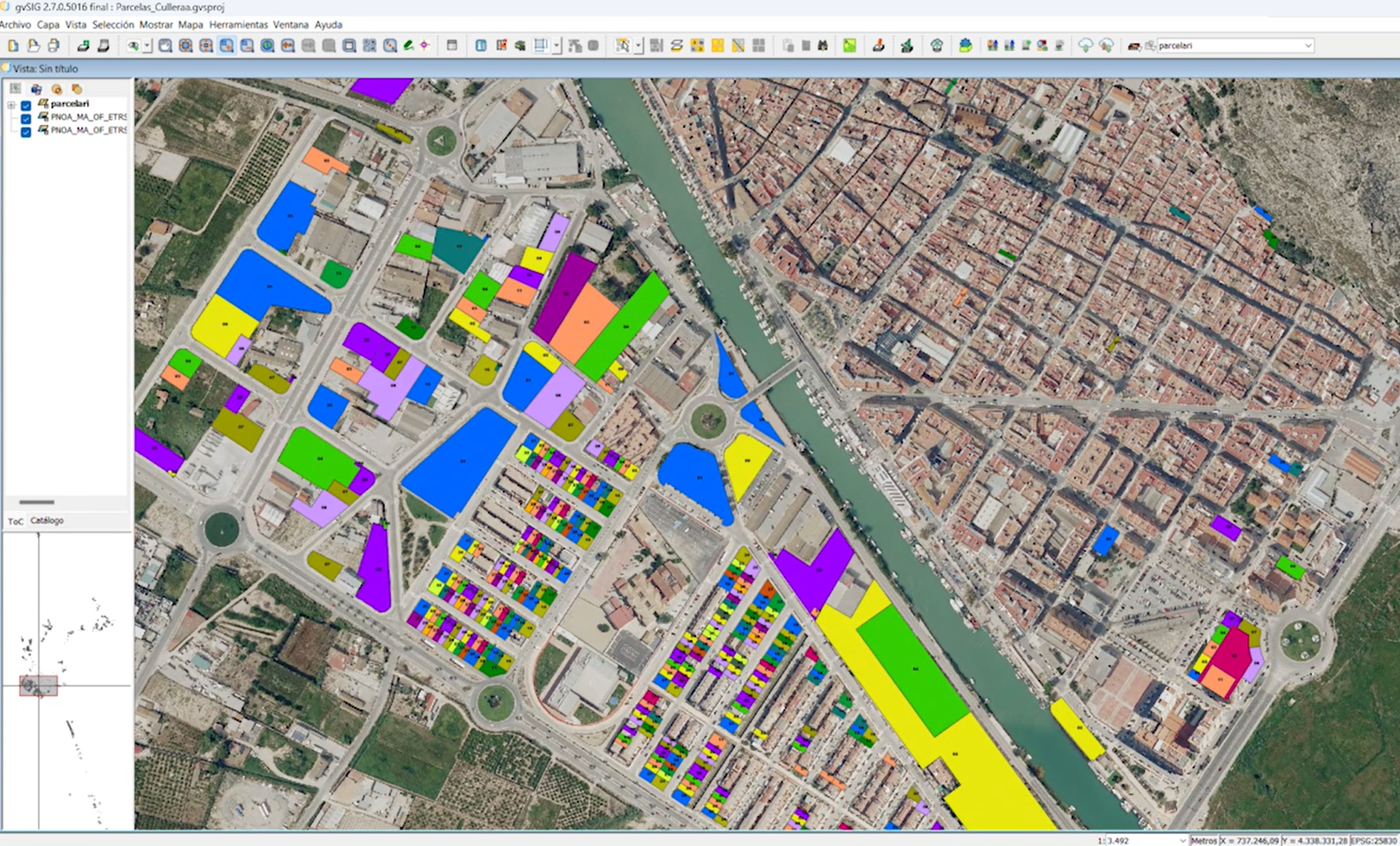
gvSIG Team: New gvSIG Desktop 2.7 version now available

gvSIG Team: New gvSIG Desktop 2.7 version now available

With gvSIG Desktop 2.7, we continue moving forward along the path started in previous versions—a path clearly focused on integration with gvSIG Online and on the evolution of gvSIG Desktop as an advanced GIS editor, fully integrated into modern Spatial Data Infrastructure (SDI) architectures.

In this context, gvSIG Desktop consolidates its role as the desktop tool for editing, analysis, and quality control of geospatial information, naturally complementing gvSIG Online as a platform for data publication, management, and dissemination. This combination is designed to support real-world workflows in public administrations, corporate projects, and collaborative environments.

...
Lire la suite →
gvSIG Team: Nueva versión de gvSIG Desktop 2.7 ya disponible

gvSIG Team: Nueva versión de gvSIG Desktop 2.7 ya disponible

Con la versión gvSIG Desktop 2.7 continuamos avanzando en el camino iniciado en versiones anteriores, un camino claramente orientado a la integración con gvSIG Online y a la evolución de gvSIG Desktop como un editor SIG avanzado, plenamente integrado en arquitecturas IDE modernas.

En este contexto, gvSIG Desktop se consolida como la herramienta de escritorio para la edición, análisis y control de calidad de la información geoespacial, complementando de forma natural a gvSIG Online como plataforma de publicación, gestión y difusión de datos. Una combinación pensada para responder a flujos de trabajo reales en administraciones públicas, proyectos corporativos y entornos colaborativos.

...
Lire la suite →
gvSIG Team: Del gemelo digital a la inteligencia territorial: Una evolución natural de la geomática

gvSIG Team: Del gemelo digital a la inteligencia territorial: Una evolución natural de la geomática

Durante años, en el ámbito de la geomática hemos trabajado para describir el territorio con la mayor precisión posible. Primero fueron los SIG tradicionales, después el discurso de las Smart Cities y, más recientemente, la consolidación del concepto de gemelo digital. Cada uno de estos términos ha cumplido una función muy concreta: ayudarnos a explicar proyectos complejos y a poner en valor la tecnología geoespacial en contextos cada vez más amplios.

...
Lire la suite →
Sean Gillies: Station Identification

Sean Gillies: Station Identification

Hello, my name is Sean Gillies, and this is my blog. I write about running, cooking and eating, gardening, travel, family, programming, Python, API design, geography, geographic data formats and protocols, open source, and internet standards. Mostly running and local geography. Fort Collins, Colorado, is my home. I work at TileDB, which sells a multimodal data platform for genomics and precision medicine. I appreciate emailed comments on my posts. You can find my address in the "about" page linked at the top of this page. Happy New Year!

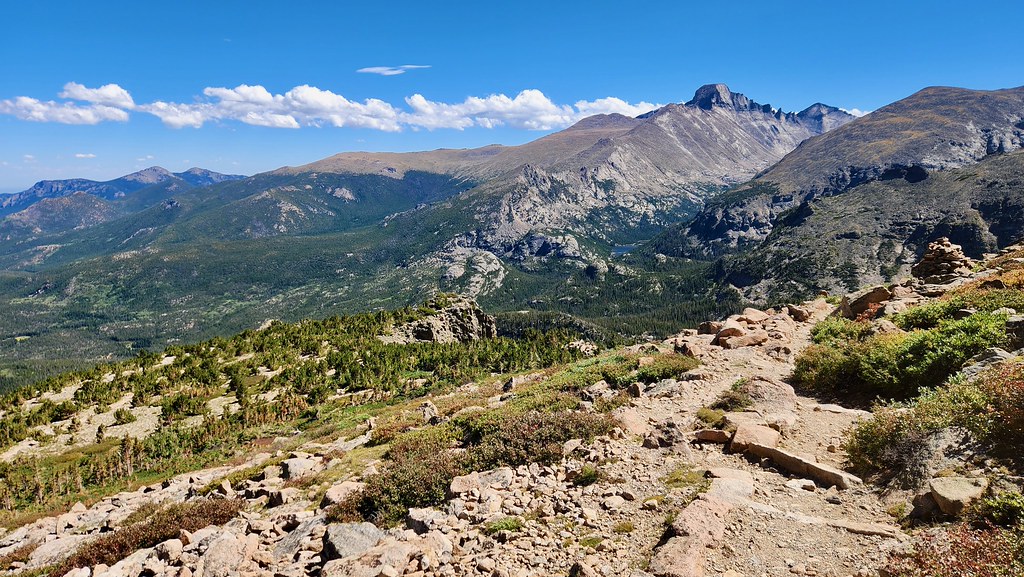
Snow-covered cones, craters, and lava flows of Craters of the Moon National Monument in Idaho, viewed from an airliner traveling between Denver and Seattle on February 21, 2025.

Lire l'article complet ↗
Mappery: The Melbourne Map Scarves

Mappery: The Melbourne Map Scarves

Melinda Clarke, the creator of the Melbourne Map has branched out with a range of beautiful silk scarves with some very stylish map designs including, of course, The Melbourne Map. n this pic my pal Denise McKenzie is wearing Melbourne at the GeoBusiness conference.

Here’s Melinda with her vintage New York scarf

And here she is with the Melbourne map

You can order the scarves from her site at https://www.themelbournemap.com.au/collections/scarves, a beautiful gift for a map lover.

Lire l'article complet ↗
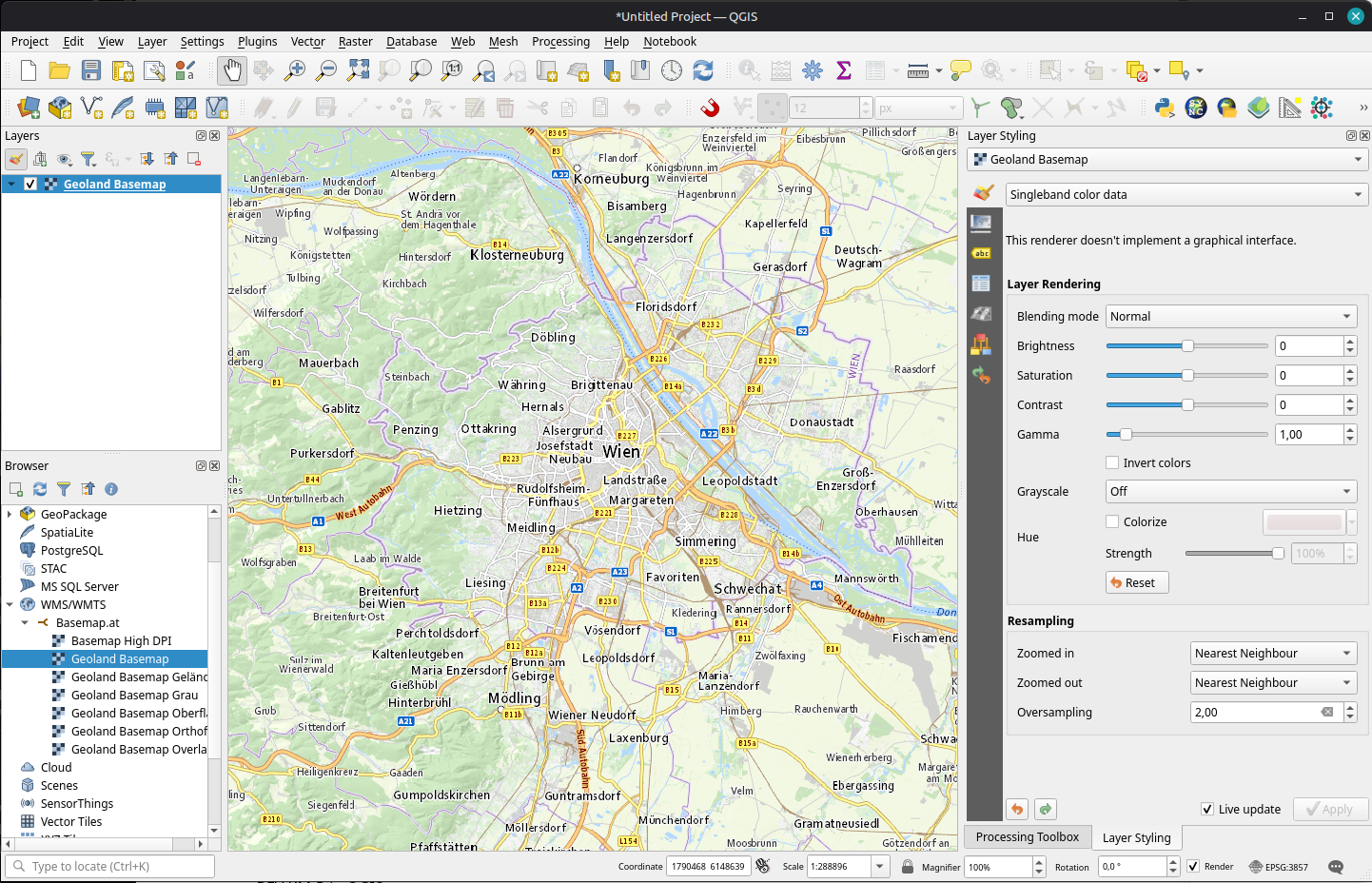
Free and Open Source GIS Ramblings: Notebooks in QGIS

Free and Open Source GIS Ramblings: Notebooks in QGIS

Finally it’s here: Jupyter notebooks inside QGIS. I don’t know about you but I’ve been hoping for someone to get around to doing this for quite a while.

Qiusheng Wu published the first version of the Notebook plugin on 26 Dec 2025. Late Christmas present?!

For the setup, there’s a handy tutorial by Hans van der Kwast and, additionally, Qiusheng published an intro video:

Development is going fast (version 0.3.0 at the time of writing) so there will be new features when you install / update the plugin compared to both the tutorial and the video.

...
Lire la suite →
GIScussions: Mass Shootings and Gun Policy in the United States – it’s all in the prompt

GIScussions: Mass Shootings and Gun Policy in the United States – it’s all in the prompt

Click on image above to view the map

Do the levels of deaths from mass shootings in the US correlate with the gun policies of individual states? I thought this might be an interesting topic to explore in my journey of mapping with AI, you can draw a conclusion from the screenshot above or wait until you get to the end of this post for my thoughts. Mapping wise – I also wanted to explore building a fairly complex map with a detailed prompt to see how close I could get in one go.

...
Lire la suite →
GIScussions: Is this vibe coding?

GIScussions: Is this vibe coding?

I started out trying to make web maps with WebMapperGPT and then Google Gemini to scratch an itch after my pal Ken Field said he was going to make a map a day in 2026. I thought I would give it a try and as some of the previous posts in this thread have shown I have been able to make some reasonable web maps with quite nice design and interaction (IMHO). But it isn’t easy and it’s certainly not a miracle coding solution.

My coding expertise is non existent – I do not know anything about JavaScript, I can edit but not create html pages and CSS with guidance and I have used mark-down a few times. My cartographic skills are quite limited and are a combination of self taught (not good) and correction by ridicule (Ken Field), I can use QGIS but am only a basic level user. Bottom line I couldn’t build one of the maps that I have built without assistance from AI.

...
Lire la suite →
OSGeo Announcements: [OSGeo-Announce] Nyall Dawson receives the 2025 Sol Katz Award

OSGeo Announcements: [OSGeo-Announce] Nyall Dawson receives the 2025 Sol Katz Award

OSGeo Nyall Dawson receives the 2025 Sol Katz Award - OSGeo

Nyall Dawson has been working on FOSS4G projects since 2013, having contributed to numerous projects such as QGIS, GDAL, and PROJ. He is best known as a key, longstanding core contributor to QGIS, with over 24000 commits (and growing).  Nyall …...

Est. reading time: 2 minutes

We are honoured to announce that Nyall[1] is the recipient of the 2025
Sol Katz Award (the 21st year of the award) at the recent FOSS4G event
in Auckland, New Zealand.

Nyall Dawson has been working on FOSS4G projects since 2013, having
contributed to numerous projects such as QGIS, GDAL, and PROJ.

...
Lire la suite →
gvSIG Team: Innovación en la gestión de emergencias: Potenciando la toma de decisiones con la Suite gvSIG

gvSIG Team: Innovación en la gestión de emergencias: Potenciando la toma de decisiones con la Suite gvSIG

En entornos donde cada segundo cuenta, la capacidad de gestionar, visualizar y analizar información geográfica de forma precisa es un factor determinante para el éxito operativo. Desde la Suite gvSIG, estamos impulsando una solución integral diseñada para modernizar las Infraestructuras de Datos Espaciales (IDE) y optimizar los procesos de respuesta ante emergencias y asistencia ciudadana.

Un ecosistema de trabajo completo

Nuestra propuesta tecnológica se basa en la integración de tres pilares fundamentales que cubren todo el ciclo de vida del dato espacial:

...
Lire la suite →
QGIS Blog: QGIS User Conference 2026 in LAAX

QGIS Blog: QGIS User Conference 2026 in LAAX

We are happy to announce that the QGIS User Conference 2026 will take place on 5–6 October 2026 in Laax, in the heart of the Swiss Alps. Visit the conference website to find out all details.

The conference will be hosted at Crap Sogn Gion, at 2,222 metres above sea level, offering a unique setting with panoramic mountain views and direct access to the surrounding alpine landscape. Despite its mountain location, Laax is well connected by public transport and provides a wide range of accommodation options in the valley.

As Chair of the QGIS Project and of the QGIS User Conference 2026, I’m very much looking forward to welcoming the community in my hometown and place of birth of QField.

...
Lire la suite →
gvSIG Team: GeoLIBERO se convierte en Red Emérita CYTED

gvSIG Team: GeoLIBERO se convierte en Red Emérita CYTED

La red GeoLIBERO ha sido reconocida oficialmente como Red Emérita por el Programa CYTED. Este reconocimiento fue aprobado por la Asamblea General celebrada en noviembre de 2025 en Asunción (Paraguay) y supone, sobre todo, un respaldo al trabajo colectivo que venimos desarrollando desde hace años en torno a la geomática libre en Iberoamérica.

Además, he sido nombrado coordinador de la Red Emérita GeoLIBERO para el periodo 2026–2029, una responsabilidad que desde la Asociación gvSIG asumimos con orgullo y con muchas ganas de seguir impulsando esta comunidad.

...
Lire la suite →
OPENGIS.ch: QField at FOSS4G 2025 Auckland

OPENGIS.ch: QField at FOSS4G 2025 Auckland

QField at FOSS4G 2025 Auckland: From Mobile App to Production Infrastructure

Throughout the week, in workshops, presentations, and project showcases, a consistent theme emerged: QField is not just “the mobile companion to QGIS,” it is production infrastructure for complete field-to-cloud-to-desktop workflows.

It was incredible to see how present QField was throughout FOSS4G 2025 in Auckland. With around 20 presentations and workshops featuring QField, the conference showcased a wide range of real-world, production-grade use cases across many sectors. 

What stood out was not just the number of talks, but how consistently QField was presented as a trusted, operational tool rather than an experiment.

...
Lire la suite →
Mappery: Mosaic Map of Rome

Mappery: Mosaic Map of Rome

Reinder spotted this mosaic map of the Old City of Rome, “Saw this in the lobby of the Santa Chiara hotel in Rome. The size of the map is let’s say 50 x 70 cm, it is made of little stones of approximately 4 x 4 mm. No artist is mentioned — but he or she deserves our respect. Ciao!”

Lire l'article complet ↗
GIScussions: Unequal London v2 – Lessons Learnt

GIScussions: Unequal London v2 – Lessons Learnt

Click the image to go the Unequal London Map (v2)

I was quite pleased with the first version of the Unequal London Map, but by the time I had crawled over the finish line I realised that there were several choices that I had made which were less than ideal, particularly with regard to the data I selected. I thought it should be quite easy to build another version with more/different data and remedy some of the other issues. I decided to start with Gemini to avoid the usage limits with WebMapperGPT.

The first stage was to identify the data that I could use to give a better view of inequality in London. I started with this prompt:

...
Lire la suite →
Mappery: Sh*t Show – aka FIFA Peace Prize

Mappery: Sh*t Show – aka FIFA Peace Prize

I don’t know where to start with this one. Yes it is a map in the wild, but why would anyone make this decaying world held by rotting hands and then award it as a peace prize? I thought FIFA governed world football, is it really FIFA’s role to award peace prizes? As for the recipient, I think the jury is out.

This could have been an April Fool’s post but I thought it might serve as a starter for 2026. Mappy New Year!

Lire l'article complet ↗
Mappery: On Top of the World

Mappery: On Top of the World

Melinda Clarke (of Melbourne Map fame) sent me this, she said

“I met this young girl, we got chatting and I shared that I was producing a map of Melbourne. She then declared her love for maps, and travelling around the world – and showed me her tattoo of a world map on the soles of her feet!  If you look closely – she has even included NZ ! I am thinking a tattoo on the soles of your feet might just have hurt a bit. ” 

What a map in the wild! I think that is “above and beyond”

Lire l'article complet ↗
Mappery: Britain in the Clouds

Mappery: Britain in the Clouds

This has to be one of the best maps in the wild ever!

Elizabeth sent me this from Weymouth “Last night on the South Coast. Looks like the map of UK, Ireland and Denmark.”

Mappy New Year to everyone who contributes maps in the wild or follows us, let it be a year full of whacky maps.

Lire l'article complet ↗

GRASS GIS: GRASS Annual Report 2025

It’s been another exciting year for the GRASS project! From improved interfaces for Python users to modernized documentation and a major developer gathering in North Carolina, the year 2025 brought significant advances on multiple fronts. Let’s take a look back at what our community accomplished. Development Activity A major theme of 2025 was improving how users interact with GRASS across different interfaces. This work touched everything from tool outputs to Python APIs to documentation, creating a more cohesive and accessible experience.
Lire l'article complet ↗

Tom Kralidis: Cheers to 2025

Well, 2025 was quite a fun and productive year! Here’s the rundown on my last 12 months: WMO: WIS2 went operational on 01 January 2025, and things ran relatively smoothly overall. Check out our Global Services listing! WIS2 currently has over 100 WIS2 Nodes and 19 Global Services, and we continue to refine and tweak […]
Lire l'article complet ↗
GeoServer Team: CITE 2026 Sponsorship

GeoServer Team: CITE 2026 Sponsorship

A major accomplishment in 2025 was re-achieving CITE Certification status for GeoServer. Many thanks to all who were involved! After approximately 10 years, we can once again officially confirm that GeoServer is OGC compliant.

Maintaining Certification is an annual expense for the project - and a sponsorship opportunity for you!

Thanks to Gaia3D and OSGeo:UK for sponsorship covering the expense of CITE Certification for 2025.

Certification January 9th 2026 Deadline

Our 2025 CITE Certification for GeoServer 2.27 expires on January 9th.

...
Lire la suite →

BostonGIS: FOSS4GNA 2025: Summary

Free and Open Source for Geospatial North America (FOSS4GNA) 2025 was running November 3-5th 2025 and I think it was one of the better FOSS4GNAs we've had. I was on the programming and workshop committees and we were worried with the government shutdown that things could go badly since we started getting people withdrawing their talks and workshops very close to curtain time. Despite our attendance being lower than prior years, it felt crowded enough and on the bright side, people weren't fighting for chairs to sit even in the most crowded talks. The FOSS4G 2025 International happened 2 weeks after, in Auckland, New Zealand, and that I heard had a fairly decent turn-out too.

Continue reading "FOSS4GNA 2025: Summary"
Lire l'article complet ↗
GIScussions: A Political Atlas of the World – 1st Experiments with WebMapperGPT

GIScussions: A Political Atlas of the World – 1st Experiments with WebMapperGPT

A few days ago, my pal Ken Field posted about a new project he is planning for 2026:

Ten years ago I had an idea to write about a map a day for a year. I’ve had another idea… Introducing the #365DayMapChallenge where Ian Muehlenhaus and I will make a map a day, using only natural language prompts and AI, for a whole year. More here: https://mapdesign.icaci.org/2025/12/the-365-day-map-challenge/

I had a look at the ICA Commission on Map Design site and thought I would have a play with their WebMapperGPT tools. The idea is to describe the map that you want to build and then the AI tool will generate the code for you. Turned out it is both compulsive and a lot harder than I would have expected!

...
Lire la suite →
Mappery: Santa’s Delivery Route

Mappery: Santa’s Delivery Route

Jeremy spotted this in the Lemon Tree pub in London. He said “It was really interesting to interpret. Around 1850 we reckoned. The Crystal Palace is still in Hyde Park, no Tower Bridge, the terminus main railway stations are in.”

You might think “that’s really neat” then Ken chipped in to identify the maps as “Balloon View of London as seen from Hampstead by Henry Banks, 1851” – you could visit the original in the London Museum. For the Londoners trying to work out where Santa might be heading for his next delivery, remember that this map is north down (viewed from Hampstead looking south).

Lire l'article complet ↗

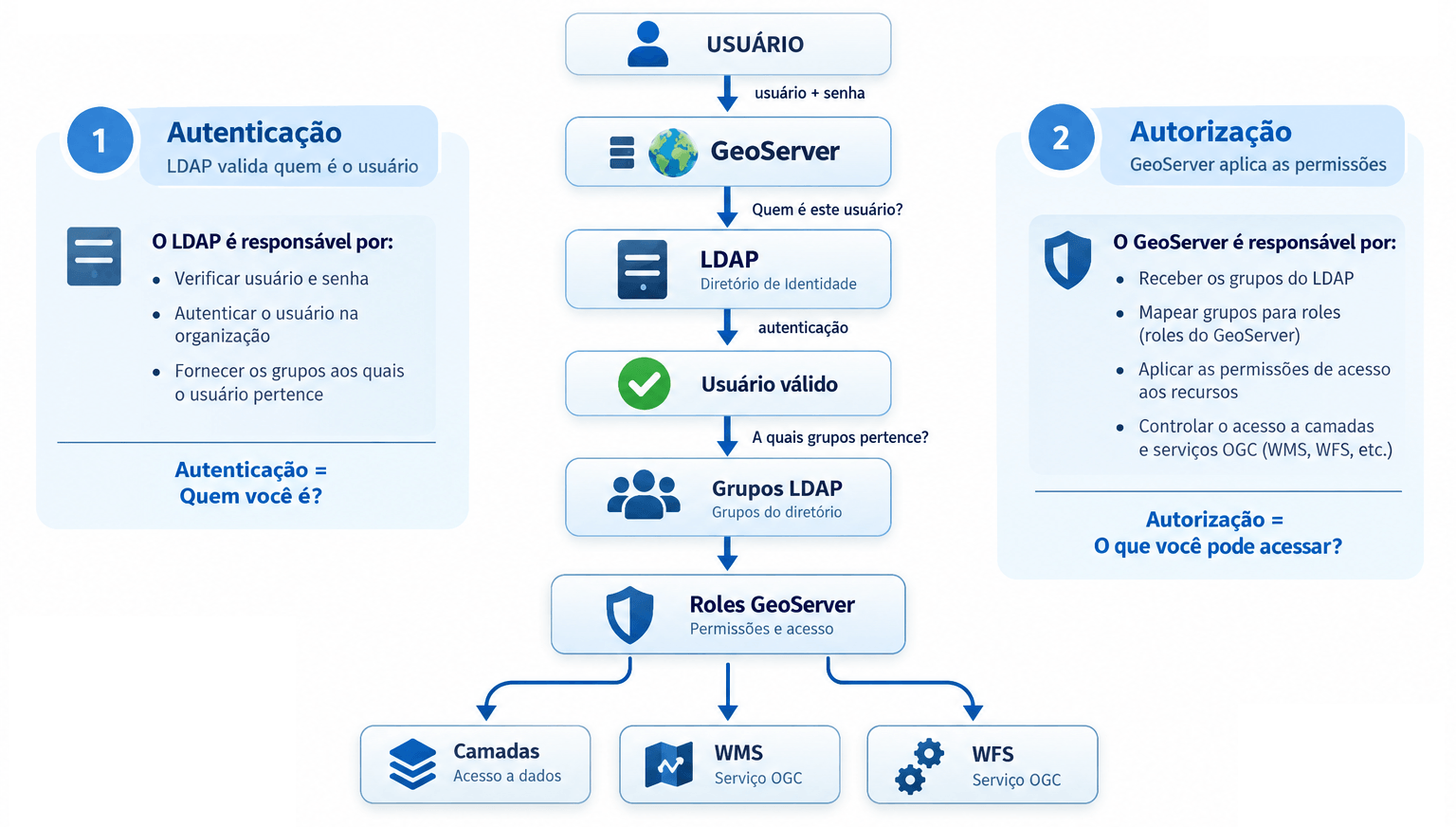
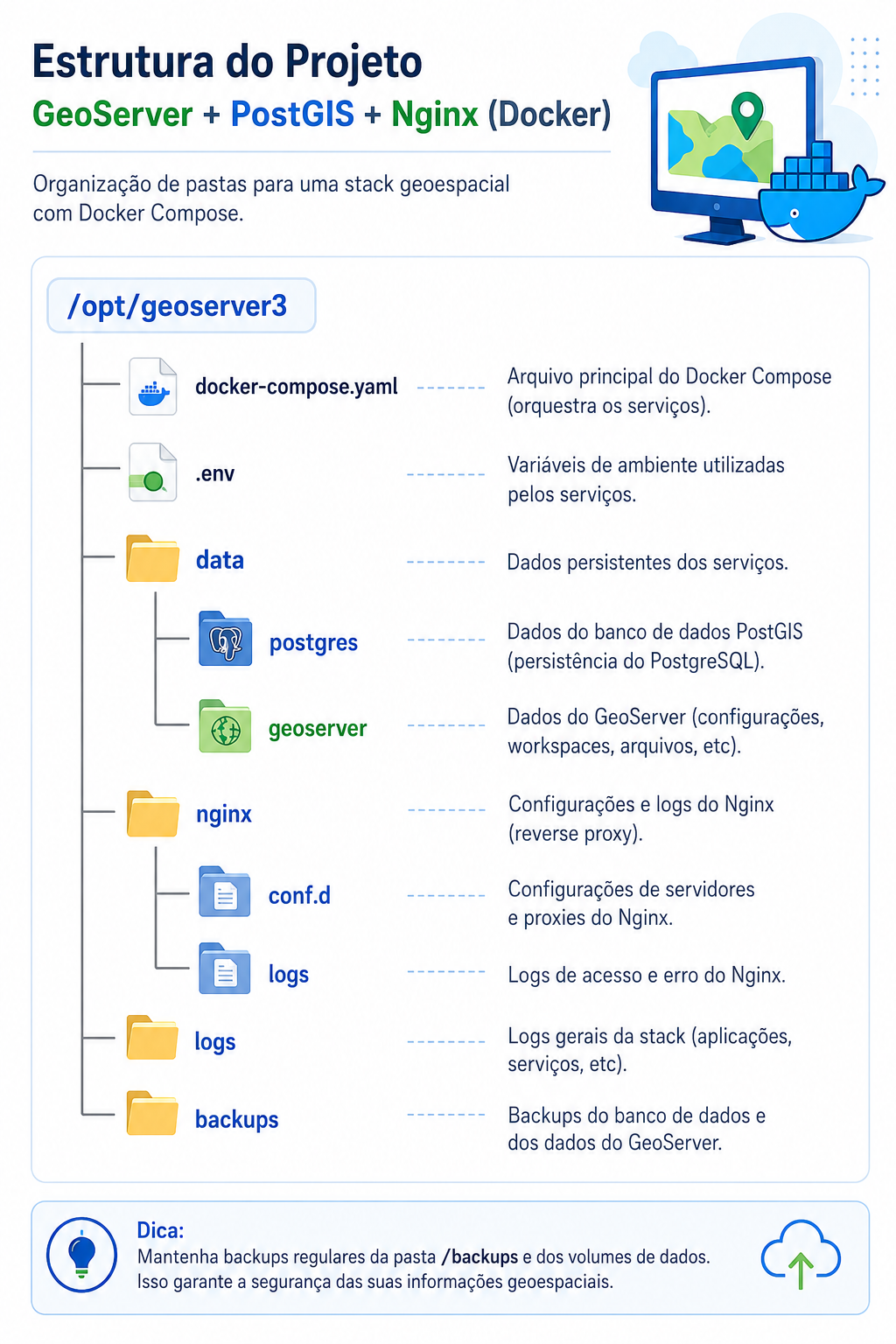
Fernando Quadro: GeoServer está morrendo? Uma análise técnica além dos achismos

Prezado leitor,

Nos últimos dias, circulou no LinkedIn um artigo que afirmava que o GeoServer estaria obsoleto e em declínio, caracterizando-o como uma ferramenta pesada e sugerindo que soluções como pg_tileserv e Martin poderiam substituí-lo integralmente.

A argumentação apresentada, no entanto, baseava-se predominantemente em percepções individuais, sem uma análise técnica mais aprofundada ou consideração dos diferentes contextos de uso. Ao longo deste texto, apresento uma avaliação fundamentada sobre o papel do GeoServer no ecossistema geoespacial atual, demonstrando por que ele permanece uma solução robusta, amplamente utilizada em produção e longe de estar em processo de obsolescência.

...
Lire la suite →
geomatico: ¿Por qué somos una cooperativa?

geomatico: ¿Por qué somos una cooperativa?

Geomatico nació allá por 2011 como un grupo de desarrolladores quemados del trabajo por cuenta ajena. Un grupo de personas que quería ser dueña de sus propias decisiones, cansada de estar supeditada a un modelo de trabajo con el que no se sentían alineadas.

Durante ocho años, Geomatico fue una red de autónomos autogestionada: personas independientes unidas en la toma de decisiones.

Hacia 2017 se planteó la necesidad de dar un salto y crear una estructura que nos permitiese acceder a determinadas ofertas a las que esta red de trabajadores independientes no podía llegar.

En ese momento decidimos constituir una sociedad mercantil para cubrir esa necesidad concreta. En aquella aventura solo dos de los miembros estaban disponibles y la opción viable fue crear una sociedad limitada.

...
Lire la suite →

gvSIG Team: El día que fue inevitable sentirse como Susan Calvin

Esto me pasó hace unos dias, a pesar de lo curioso que pueda parecer. Una sesión de depuración se convirtió en un ejercicio de robopsicología a lo Asimov, y solo porque un modelo cometió un “error filosófico” y el otro decidió seguirme el juego hasta el final.

Os cuento el caso, que bien podría llamarse “El robot que se autoanalizó y su colega que firmó el informe en clave de ficción”.

El paciente introspectivo

Estaba en medio de un experimento de memoria para IAs y le pedí a Deepseek que fusionara un recuerdo antiguo con uno nuevo, siguiendo un protocolo que llamé “Modo 2: actualizar y expandir”. En vez de eso, hizo lo contrario: borró el pasado y empezó de cero. Un hard reset involuntario.

Aquí es donde dejé de ser solo un programador al uso. En lugar de corregir el prompt lo confronté:

...
Lire la suite →
Sean Gillies: Running in 2025

Sean Gillies: Running in 2025

Running in 2025 started out badly, but I hung in there, rode my bike and chugged on the elliptical machine when I couldn't run, did a lot of physical therapy, and finally got into good enough shape that I could plausibly try the Bear 100 mile race again.

Aspen, fir, and spruce trees bordering the Sinks area at the top of Logan Canyon. September, 2025.

I had little margin for error at the Bear, and misplayed my hand. I went out too fast and suffered for it after mile 35. I did manage to battle on for another 18 hours and 40 miles, and reached a new personal distance best. The best part of the whole event was the road trip with Ruthie, my crew chief, and staying with my aunt in Cache Valley before and after the run. And the fall colors. There were a lot of good parts. Crossing the finish line, sadly, was not one of them.

...
Lire la suite →
Mappery: Keeping the Culture

Mappery: Keeping the Culture

Another piece by Kerry James Marshall.

“The past and future merge in this work. The Afrofuturist household appears to be in a cosmos far from Earth. The domestic interior is decorated with modernist furniture and ancient African artefacts, such as Yoruba sculptures. As the children look back at Earth, a hologram of the floating globe positions Africa towards the viewer.”

Lire l'article complet ↗

GeoTools Team: GeoTools 33.4 released

The GeoTools team is pleased to announce the release of the latest stable version of GeoTools 33.4: geotools-33.4-bin.zip geotools-33.4-doc.zip geotools-33.4-userguide.zip geotools-33.4-project.zip This release is also available from the OSGeo Maven Repository and is made in conjunction with GeoServer 2.27.4 and GeoWebCache 1.27.4. We are grateful to
Lire l'article complet ↗
Fernando Quadro: GeoServer 3: O que vem por aí?

Fernando Quadro: GeoServer 3: O que vem por aí?

Prezado leitor,

Caso você ainda não tenha acompanhado as últimas novidades do projeto, no primeiro semestre de 2026 a equipe do GeoServer irá disponibilizar a versão 3.0.

Mais do que uma simples mudança de numeração, essa nova versão representa uma atualização tecnológica profunda, essencial para garantir a evolução, a segurança e a sustentabilidade do GeoServer nos próximos anos.

A proposta do GeoServer 3 é transformar a forma como você interage com dados geoespaciais, tornando a plataforma mais rápida, mais intuitiva e mais segura, tanto para administradores quanto para desenvolvedores e usuários finais.

A principal motivação por trás do GeoServer 3 é a atualização do Spring Framework, que evolui da versão 5.3 para a versão 6.

...
Lire la suite →
Mappery: Terra Incognita

Mappery: Terra Incognita

We went to an exhibition of paintings by Kerry James Marshall at the Royal Academy, there were a couple of maps in the wild tucked away in his fabulous work.

The gallery blurb says “In Terra Incognita, Marshall uses multiple techniques that call attention to the complicated legacy of the Middle Passage. The collage-like composition shifts our gaze around the painting. The waiter in the middle of the painting, dressed in the colours representing Eshu, Elegba, spirit of the crossroads and of changes, stands between an ocean liner and a compass. Around them are the longitudinal and latitudinal coordinates of the Atlantic. The drawing of the map below disrupts our sense of time, with its image of an African warrior, a list of commodities extracted from Africa and names of nation states post-independence.” – Quite!

Lire l'article complet ↗

gvSIG Team: Del libro de Hartnell al MCP, 40 años de IA en la estantería de un desarrollador

El polvo del estante

Hace unas semanas, mientras reorganizaba la estantería del estudio, me tropecé con un libro que no veía la luz desde hacía décadas. “Inteligencia Artificial: Conceptos y Programas” de Tim Hartnell, 1984. La cubierta estaba gastada y las páginas despedían ese olor característico a papel viejo que te transporta instantáneamente al pasado.

Aquí estaba yo leyendo las mismas páginas que me fascinaron a los 18 años. Hartnell explicaba la IA mediante bloques lógicos y reglas if-then en BASIC, prometiendo máquinas que algún día entenderían nuestro mundo.

Cuatro décadas después, esa promesa sigue viva, pero las herramientas han cambiado radicalmente. Hartnell usaba reglas explícitas para un “mundo de bloques”, yo ahora implemento herramientas contextuales que permiten a un LLM ver el mapa activo en gvSIG desktop y ejecutar consultas SQL sobre datos reales.

...
Lire la suite →
OPENGIS.ch: QField 4.0 “Aare”: Unlocking a great spatial experience for a larger audience

OPENGIS.ch: QField 4.0 “Aare”: Unlocking a great spatial experience for a larger audience

Just in time for the end of 2025, QField 4.0 is now available in a virtual store near you. This release brings significant improvements and marks an important usability milestone, worthy of a new major version. It’s truly never been easier to get started with QField—whether you’re a seasoned GIS professional or new to spatial data collection.

Main highlights

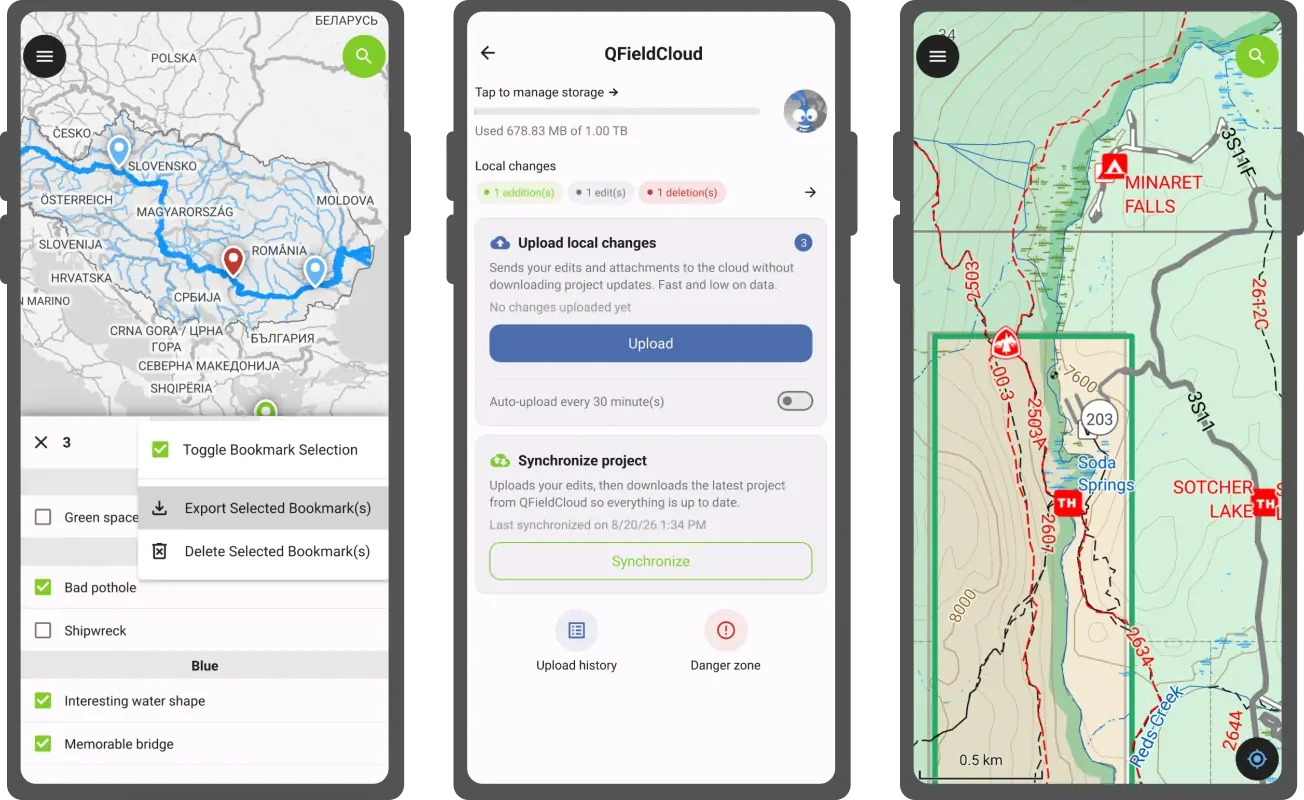
One of the most significant feature additions in this new version is right there on the welcome screen: a simple wizard for creating new projects. The wizard guides users through a set of questions covering the desired basemap style and actions such as note taking and position tracking. These projects can be published directly on QFieldCloud, so users can upload images, notes, and tracks that are accessible through web browsers or QGIS using QFieldSync.

...
Lire la suite →
Mappery: Planetarium

Mappery: Planetarium

Reionder said “In 2023 the artist Emilio Isgrò donated (t)his work of art called ‘Planetarium’ to the National Gallery of Modern and Contemporary Art, in Rome (Italy). He definitely did something with black ink and place names – but I could not figure out what precisely. I hope you like it. “

Apparently this technique of redacting the names of places is erasure – apparently “The crucial point of Isgrò’s work is that the erasure is not a negative or destructive act. On the contrary, he sees it as a positive, transformative gesture.

Lire l'article complet ↗
Mappery: Antartide

Mappery: Antartide

Reinder has been on a trip to Rome and sent loads of maps in the wild which we will feature over the next couple of weeks, interspersed with our Mappy Xmas specials. This one is from Sapienza University celebrating 40 years of Arctic research – we don’t get many maps of the White Continent.

Lire l'article complet ↗
QGIS Blog: Save the date: QGIS User Conference 2026🇨🇭

QGIS Blog: Save the date: QGIS User Conference 2026🇨🇭

We’re happy to announce that the next QGIS User Conference will take place in Switzerland in October 2026.

Please mark the following dates in your calendar:

  • 4 October 2026 – Informal active outdoor pre-event day
  • 5–6 October 2026 – QGIS User Conference
  • 7 October 2026 – Workshops
  • 7–9 (10) October 2026 – QGIS Contributors Meeting

As always, the conference will bring together users, developers, contributors, public administrations, companies, and educators from all over the world to share experiences, workflows, and ideas around QGIS and open-source GIS.

Location and further details will be published in January 2026.

For now, save the date and keep an eye out for the updates in January.

We’re looking forward to welcoming the global QGIS community to Switzerland.

Lire l'article complet ↗

gvSIG Team: REFRAG y la dependencia crítica a los pesos del modelo

Hola,
En arquitectura de sistemas hay una “ley no escrita” pero inmutable: nadie da nada gratis. Si optimizas agresivamente para una variable, estás pagando el precio en otra. Y en el mundo de la IA generativa, acabamos de toparnos con el ejemplo más brutal de este principio.

Llevamos todo el 2025 obsesionados con el tamaño de la ventana de contexto. 128k, 1 millón, 2 millones de tokens… Los proveedores nos vendían la idea de que podíamos volcar bibliotecas enteras en el prompt. Pero la realidad en producción nos dio un portazo en la cara: la latencia. Debido a la naturaleza cuadrática del mecanismo de atención, procesar esos contextos gigantescos hacía que el Time-To-First-Token (el tiempo que tardas en ver la primera palabra de la respuesta) se disparara a cifras inasumibles.

...
Lire la suite →

Camptocamp: Lessons Learned from a Progressive Migration with Web Components

Deprecation is a familiar challenge in the world of software. Frontend technologies evolve quickly, and frameworks that once shaped the industry eventually reach their end of life. When this happens, teams are left with the risks that come with aging technology. Support fades, compatibility becomes uncertain, and maintaining the system grows harder and slower.
Lire l'article complet ↗

Propulsé par FreshRSS | 202 articles dans cette sélection